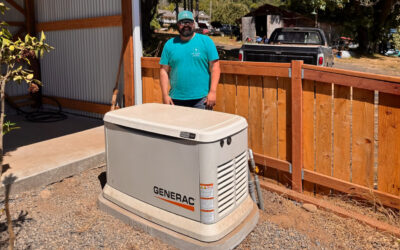

When the power goes out, having a generator can make all the difference. Whether you need to keep your lights on, maintain essential appliances, or power your entire home or business, choosing the right generator is critical. Two main types of generators dominate the market: standby generators and portable generators. At Take Charge Electric, we’re here to help you understand the differences and decide which option best fits your needs.
What Is a Standby Generator?
A standby generator is a permanently installed system that automatically provides power to your home or business during an outage. These generators are connected to your electrical system and are typically powered by natural gas or propane.
Key Features of Standby Generators:
- Automatic Operation: They turn on automatically within seconds of a power outage.
- High Power Output: Capable of powering an entire home or business, including HVAC systems, appliances, and electronics.
- Reliability: Designed for long-term use and minimal maintenance.
- Permanent Installation: Professionally installed and connected to your existing electrical system.
Best For:
- Homeowners who experience frequent or prolonged outages.
- Businesses that require uninterrupted power to avoid costly downtime.
- Individuals with medical equipment or other critical needs.
What Is a Portable Generator?
A portable generator is a mobile unit that you can transport and use as needed. These generators are powered by gasoline or diesel and require manual setup and operation.
Key Features of Portable Generators:
- Portability: Lightweight and easy to move, making them ideal for temporary power needs.
- Lower Cost: More affordable upfront compared to standby generators.
- Versatility: Useful for outdoor activities like camping or powering tools at remote job sites.
- Manual Operation: Must be manually started and connected to the devices or appliances you want to power.
Best For:
- Occasional power outages.
- Small homes or specific appliances.
- Recreational use or temporary job sites.
Factors to Consider When Choosing a Generator
- Power Needs: Determine the appliances and systems you need to power during an outage. If you require whole-house power, a standby generator is likely the best choice.
- Frequency of Use: If outages are rare and short-lived, a portable generator may suffice. For frequent or long-term outages, a standby generator offers greater reliability.
- Budget: Consider both the upfront cost and long-term maintenance expenses. While standby generators cost more initially, they add significant value and convenience.
- Installation Requirements: Standby generators require professional installation and access to a fuel source like natural gas or propane. Portable generators, on the other hand, require safe storage, regular refueling, and a transfer switch to operate safely with your home’s electrical system.
- Portability: If you need a generator for multiple locations or outdoor activities, a portable generator is the way to go.
Why Choose Take Charge Electric?
At Take Charge Electric, we specialize in helping homeowners and businesses select and install the ideal generator for their needs. Our experienced team can evaluate your power requirements, recommend the best generator, and provide seamless installation and maintenance services. We happily serve the Key Peninsula, Gig Harbor, Belfair, Port Orchard, Bremerton, Poulsbo, Tacoma, and the surrounding communities. If you are interested in learning more or setting up an estimate appointment, please reach out HERE!
Final Thoughts
Whether you’re preparing for unexpected power outages, managing essential household systems, or ensuring your business stays operational, having the right generator is crucial. For residents of Washington state, specific electrical needs often include managing power for heating systems during cold winters and ensuring appliances and lighting remain functional during storm-related outages. Washington’s frequent rain and occasional windstorms can lead to outages, making a reliable generator an essential investment. By understanding your power requirements and local climate challenges, you can make an informed decision that keeps the power on when it matters most.

Owner/CEO