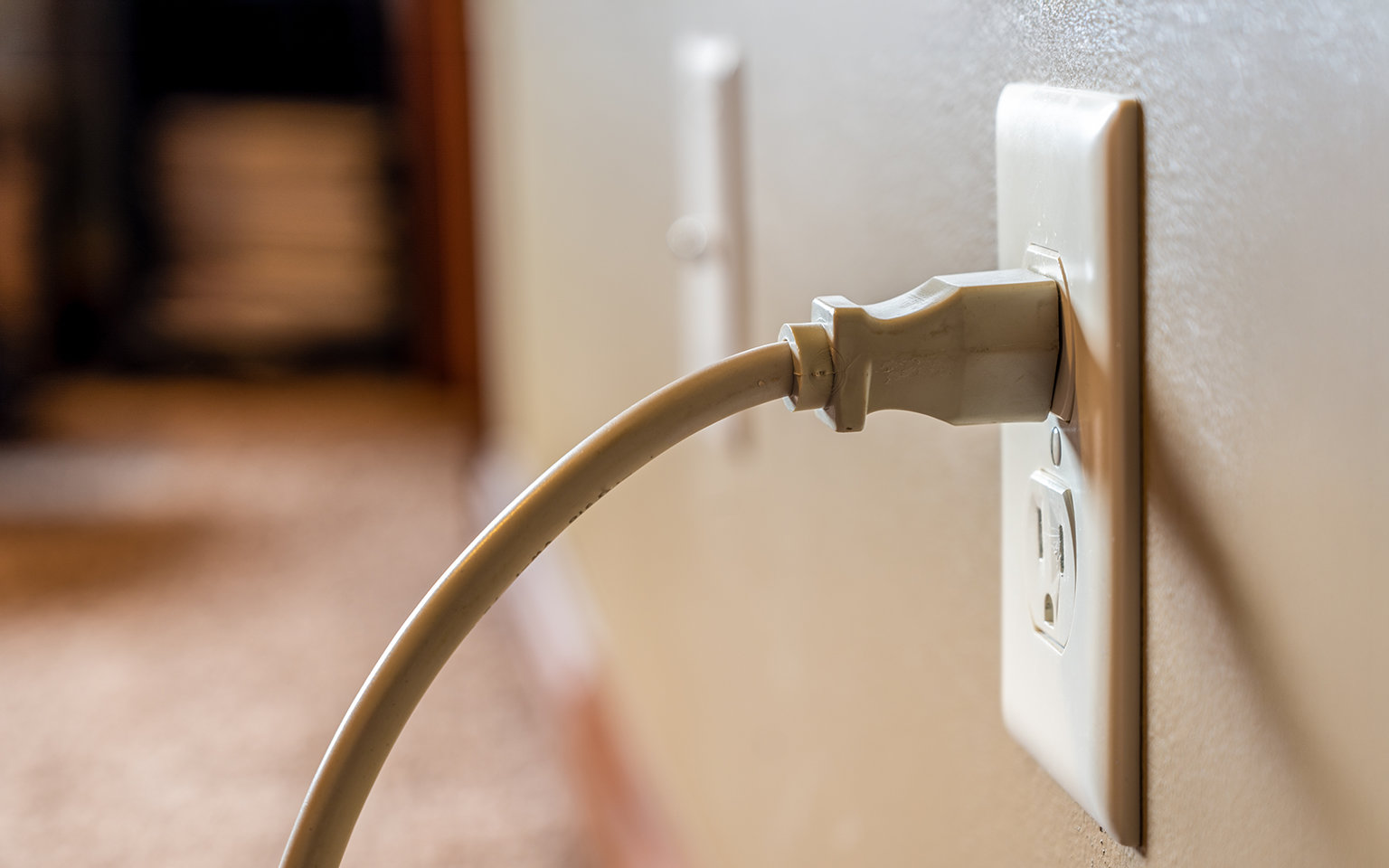
You plug in your phone charger, coffee maker, or favorite lamp, and nothing happens. You try another device, but that doesn’t work either. Now you’re wondering why your electrical outlet isn’t working when everything else seems fine.
An outlet can lose power for several reasons. Sometimes it’s something simple, like a tripped breaker, a nearby GFCI outlet, or a wall switch you didn’t realize controlled it. Other times, the problem involves an overloaded circuit or a wiring connection hidden behind the wall.
The good news is that there are a few safe things you can check before calling an electrician. Let’s walk through what might be happening, what you can look for, and when it’s time to get some professional help.
What Should You Check When an Outlet Stops Working?
Before assuming something is wrong with your wiring, there are a few easy things you can check.
Start by unplugging anything connected to the outlet. Try a small device you know works, such as a lamp, to see whether the outlet has power.
Next, look around for a nearby wall switch. Some outlets are controlled by switches, especially in bedrooms and living rooms.
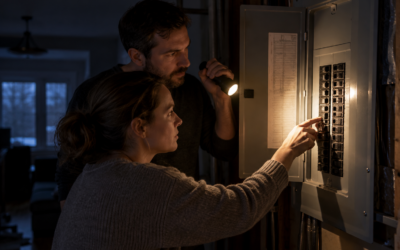
You can also check your electrical panel for a tripped breaker. If you find one, unplug devices from the affected circuit before resetting it once. Move the breaker fully to OFF, then back to ON.
Finally, check nearby GFCI outlets, particularly in bathrooms, kitchens, garages, and outdoor areas. One of these protective devices may have interrupted power to another outlet.
If the outlet still isn’t working, don’t worry. There are several possible explanations, and knowing what to look for can help you decide what to do next.
8 Common Reasons Your Electrical Outlet Isn’t Working
1. A Circuit Breaker Has Tripped
Circuit breakers protect your home’s electrical wiring by shutting off power when they detect certain electrical problems.
A breaker can trip because of an overload, a short circuit, or another fault.
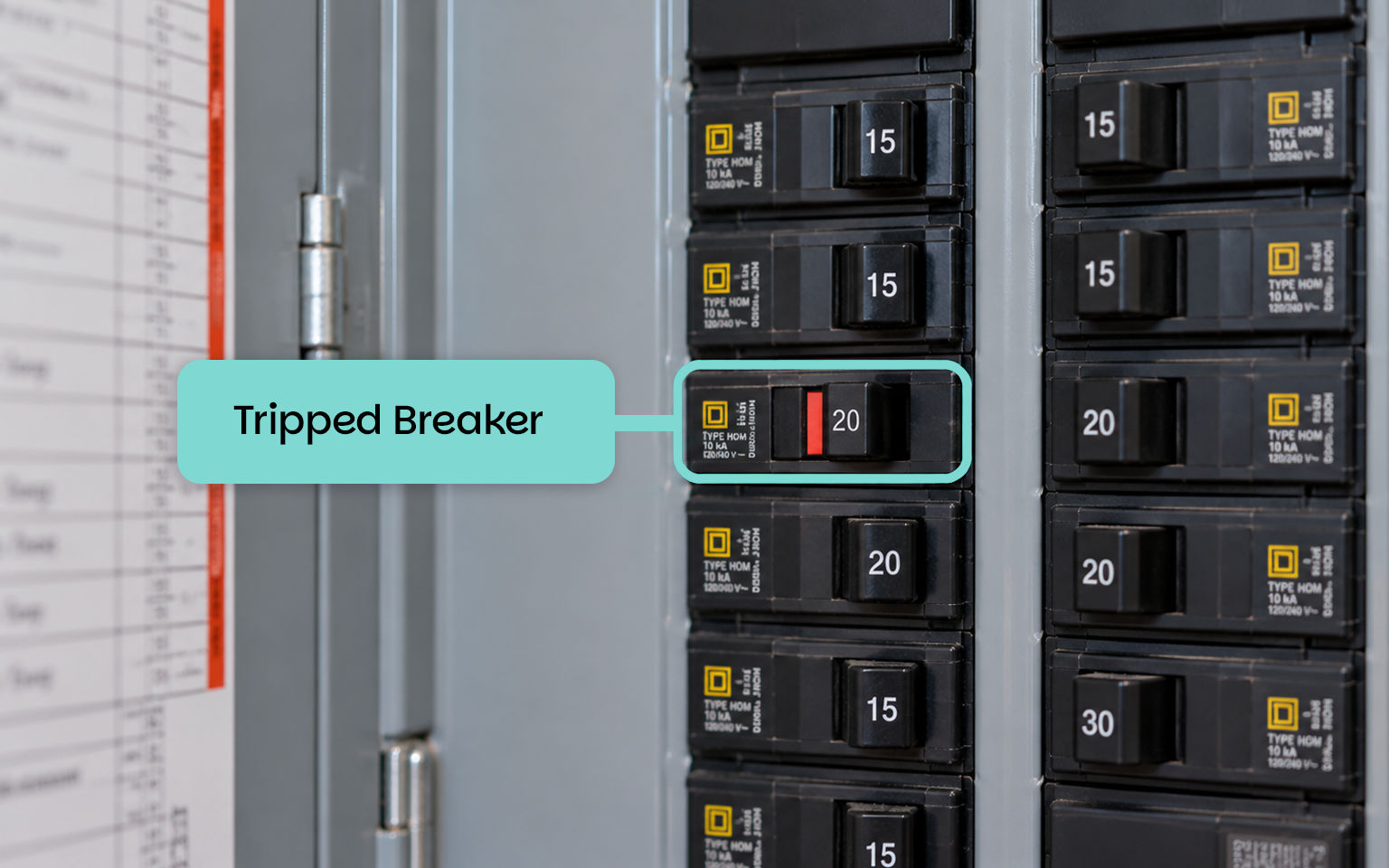
Sometimes a tripped breaker is easy to spot. Other times, the handle sits somewhere between ON and OFF, making it less obvious.
If your outlet stopped working, check the electrical panel and look for a breaker that isn’t fully in the ON position.
You can reset it once after unplugging the connected devices. If it trips again, leave it off and contact an electrician. Repeated tripping means something needs attention.
2. An Upstream GFCI Outlet Has Tripped
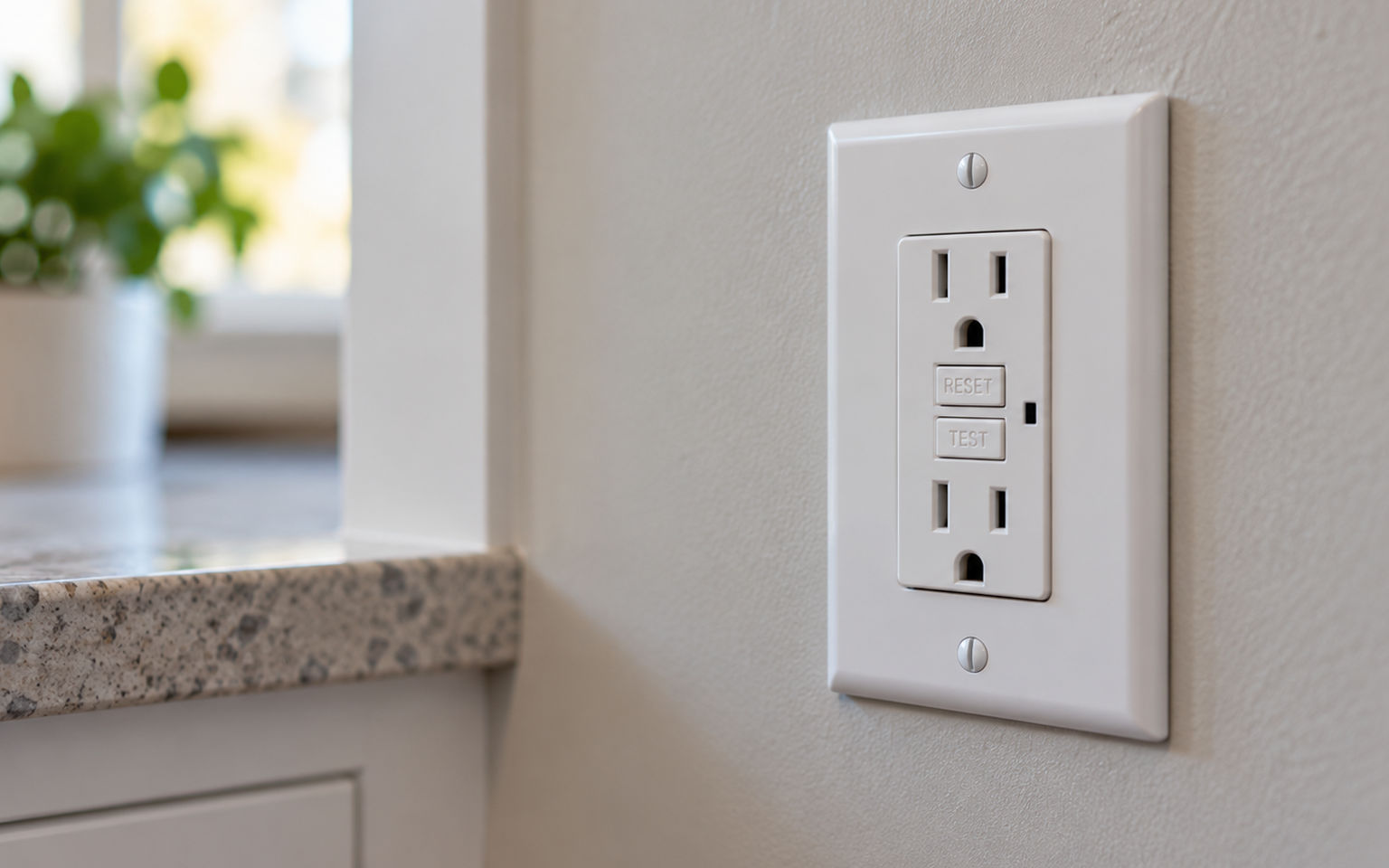
A GFCI, or ground-fault circuit interrupter, helps protect people from electrical shock by quickly shutting off power when it detects a ground fault.
These outlets are common in kitchens, bathrooms, garages, laundry areas, and outdoor spaces.
Here’s something that surprises many homeowners: one GFCI can protect several outlets on the same circuit.
That means a GFCI outlet not working in your garage could also explain why another outlet nearby has lost power.
Look for outlets with TEST and RESET buttons. If everything is dry and there are no signs of damage, you can try pressing RESET once.
If it won’t reset or trips again, leave it alone and have the circuit checked.
For more information, read our guide to GFCI outlets and common electrical problems.
3. The Outlet Is Controlled by a Wall Switch
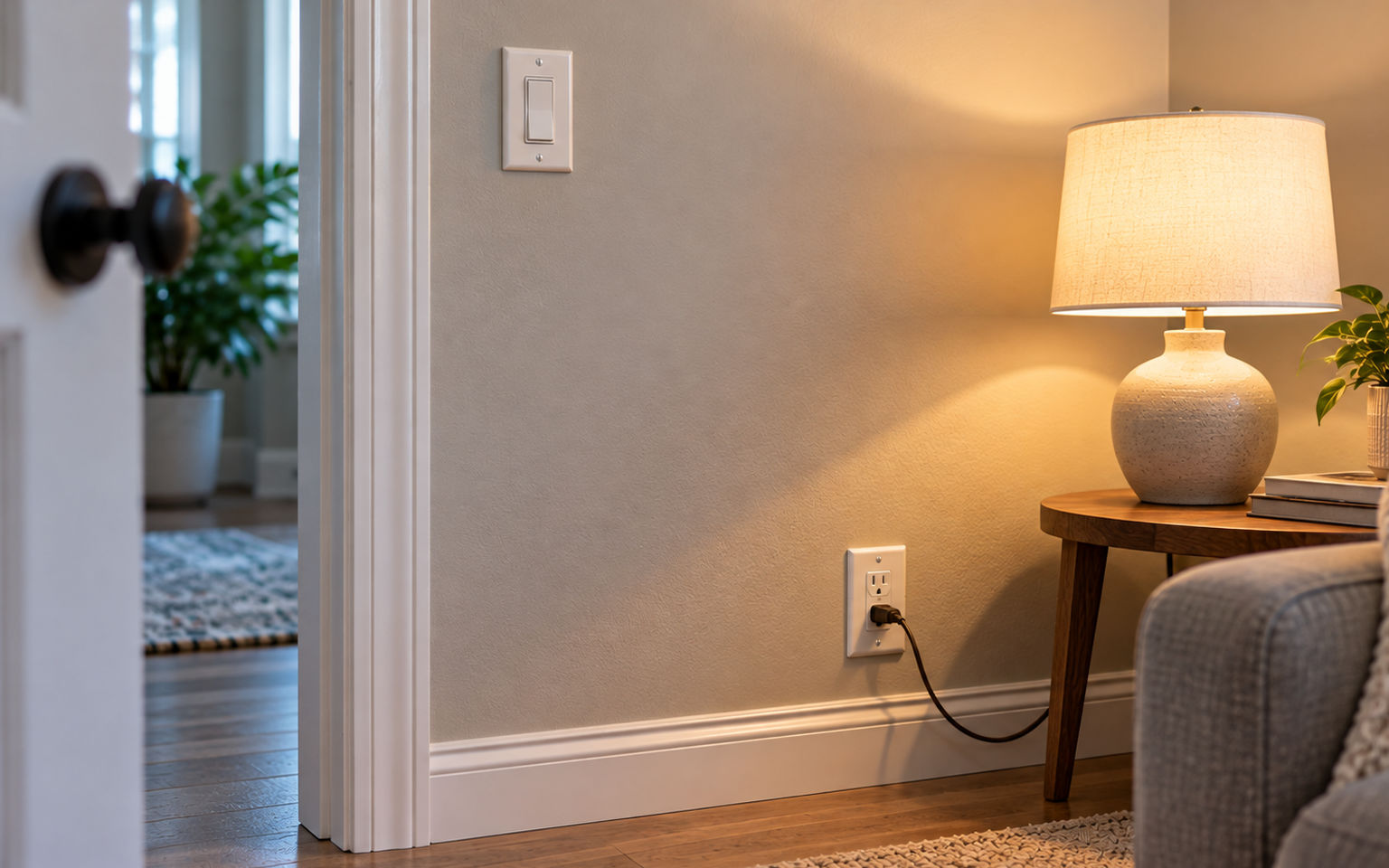
Some outlets are designed to turn on and off with a wall switch.
You’ll often find these in bedrooms, living rooms, and older homes where a switched outlet was intended for a lamp.
In some cases, only one half of the receptacle is controlled by the switch. The other half may have power all the time.
If your wall outlet isn’t working, try nearby switches before assuming there’s an electrical problem.
It’s a quick check that can sometimes solve the mystery immediately.
4. The Electrical Circuit Is Overloaded
Every electrical circuit has a limit on how much power it can safely supply.
When several appliances or devices are running at once, their combined electrical demand may exceed that limit.
For example, a space heater, vacuum cleaner, and another high-powered appliance operating on the same circuit could cause an overload.
Usually, the circuit breaker trips to protect the wiring.
If an outlet stops working while several devices are running, unplug them and check the breaker.
If this happens regularly, an electrician can evaluate whether your home would benefit from additional circuits or other electrical improvements.
5. The Outlet Is Worn Out or Damaged
Electrical outlets don’t last forever.
Over time, the internal contacts that hold a plug securely can wear down. You might notice that plugs feel loose, slip out easily, or only seem to work intermittently.
A worn receptacle can develop poor electrical connections, which may create excess heat.
If an outlet feels loose or has visible damage, stop using it until an electrician can replace it.
Replacing a worn outlet is often straightforward, but it’s important to make sure the wiring and connections behind it are also in good condition.
6. There’s a Loose Wiring Connection
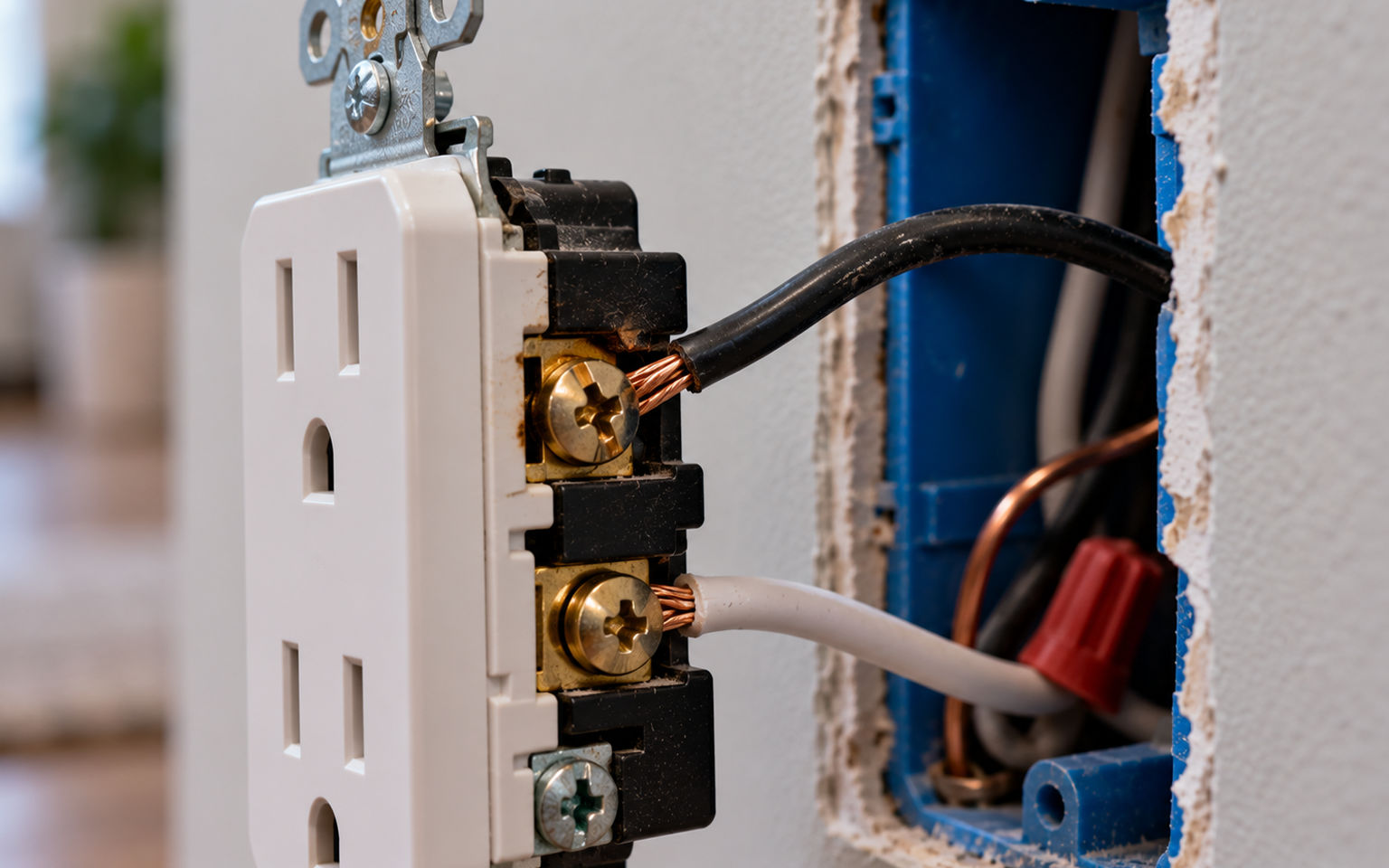
Sometimes the outlet itself is fine, but a connection somewhere along the circuit has loosened or failed.
Electrical connections can deteriorate over time because of heat, age, or repeated expansion and contraction.
A loose connection may interrupt power to one outlet or several outlets farther along the circuit.
It can also create arcing and heat, which increases the risk of an electrical fire.
Because these connections are often hidden inside electrical boxes, this isn’t something you can reliably diagnose by looking at the outlet.
If your outlet isn’t working and the obvious checks haven’t helped, an electrician can safely test the circuit and locate the problem.
7. The Circuit Breaker Is Failing
Circuit breakers are designed to provide years of reliable protection, but they can eventually develop problems.
A failing breaker may stop supplying power even though its handle appears to be in the ON position.
In other cases, the breaker may trip unexpectedly or have difficulty resetting.
If you’ve checked the outlet and the breaker appears normal, the breaker itself could be the issue.
An electrician can test it, determine whether replacement is necessary, and check for other problems that might be affecting the circuit.
8. There’s a Problem Elsewhere on a Shared Circuit
Several outlets in your home may share the same electrical circuit.
That means the problem isn’t always located at the outlet that stopped working.
A failed connection at one receptacle or electrical box can interrupt power to other outlets farther along the circuit.
This is one reason you might discover multiple outlets not working in the same room or nearby areas.
An electrician can trace the circuit, identify where power is being interrupted, and make the necessary repairs.
Why Is My Outlet Not Working but the Breaker Isn’t Tripped?
This is one of the most common questions homeowners have.
If the breaker looks normal, it’s easy to assume the outlet should have power. But the breaker is only one part of the electrical circuit.
A tripped GFCI, switched receptacle, worn outlet, loose connection, or failing breaker could all explain why there’s no power to an outlet.
The problem could also be somewhere else along the circuit.
If you’ve checked the switches, nearby GFCIs, and breaker without finding an obvious cause, it’s best to have an electrician investigate rather than remove the outlet or open the electrical panel yourself.
Why Are Multiple Outlets Not Working at the Same Time?
When several outlets stop working together, there’s often a shared electrical issue.
They may be connected to the same breaker, protected by one upstream GFCI, or affected by a loose connection elsewhere on the circuit.
The affected outlets don’t necessarily have to be next to each other, either. Electrical circuits can run between rooms.
Make a note of which outlets have lost power and whether nearby lights or appliances are also affected.
That information can help your electrician narrow down the cause and restore power safely.
When Is a Dead Outlet a Safety Concern?
An outlet losing power doesn’t always mean there’s an emergency. However, certain warning signs deserve immediate attention.
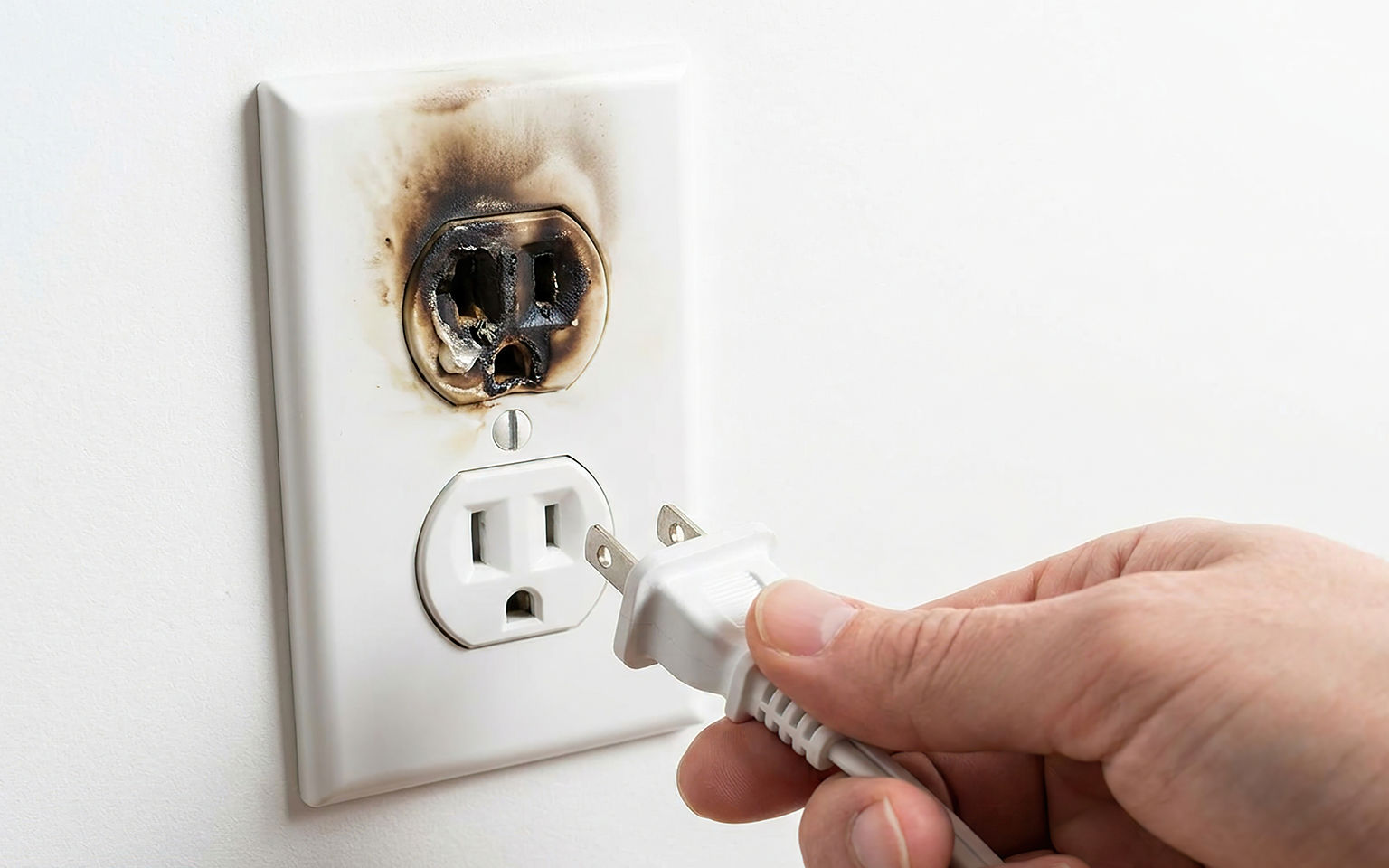
Watch for an outlet that feels unusually warm or hot, has dark marks or discoloration, makes buzzing or crackling sounds, or produces a burning smell.
Sparks, smoke, or melted plastic are especially serious signs.
If you notice any of these problems, stop using the outlet. Don’t attempt to reset the circuit or test it with another appliance. If you can safely shut off power without approaching damaged equipment, do so.
If there’s smoke or fire, move to safety and call 911.
The Electrical Safety Foundation International provides additional resources to help homeowners recognize electrical hazards and keep their homes safe.
When Should You Call an Electrician About an Outlet Not Working?
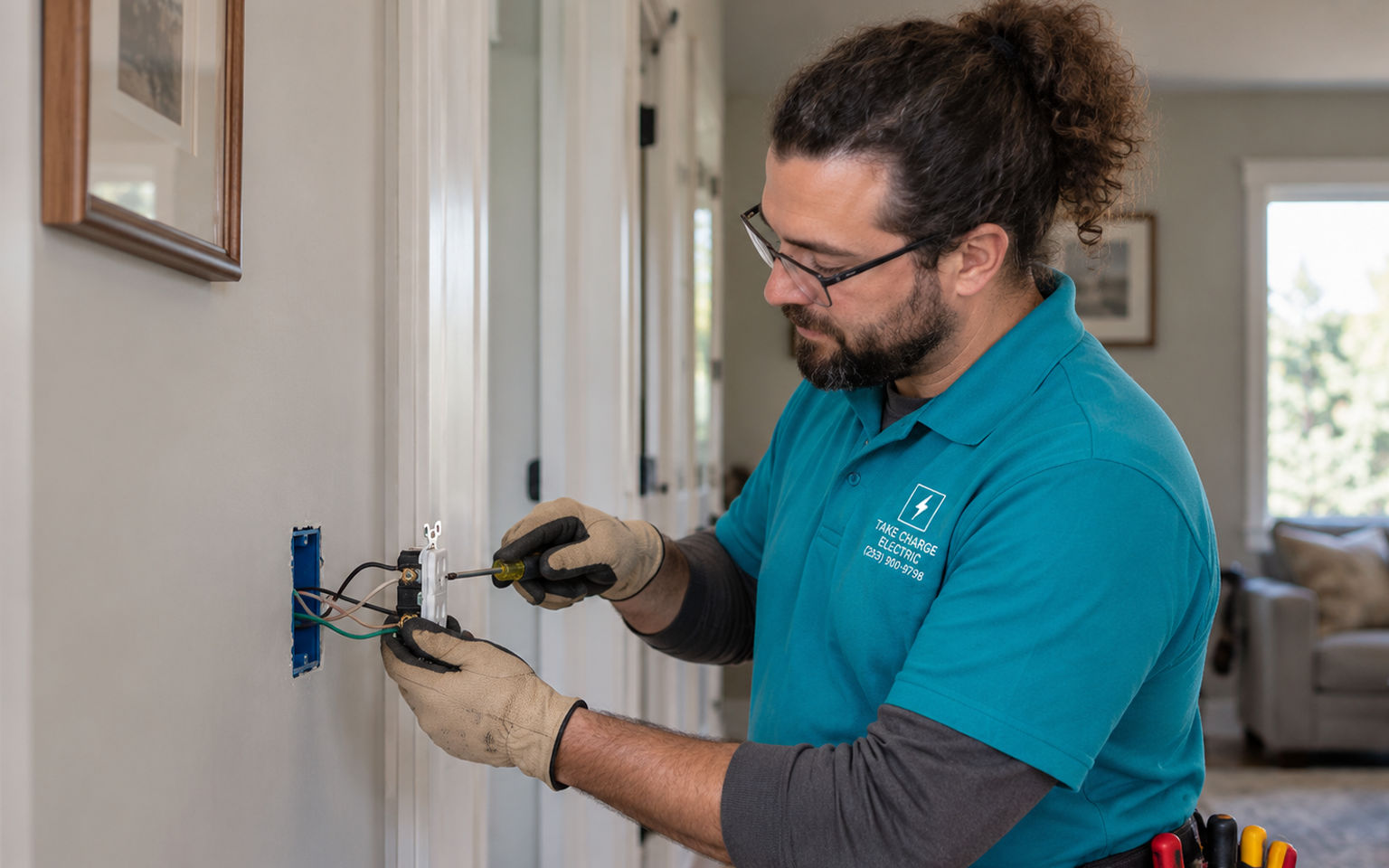
If you’ve checked the simple possibilities and still have an outlet not working, it’s time for a professional diagnosis.
At Take Charge Electric, we handle everything from individual outlet repairs to more complicated wiring and circuit problems. Our residential electrical services include troubleshooting, repairs, and electrical safety improvements.
You don’t need to know what’s causing the problem before you call. Just tell us what you’ve noticed, and we’ll help you figure out the next step.
Our electricians take the time to explain what they find, answer your questions, and recommend repairs that make sense for your home.
Let’s Get Your Outlets Working Again
An electrical outlet not working can be inconvenient, but you shouldn’t have to guess whether it’s safe.
Whether you’ve got one dead outlet or several rooms without power, Take Charge Electric is here to help homeowners throughout Gig Harbor and the surrounding communities.
We’ll find out what’s happening, explain your options, and help get your electrical system working safely again.
Contact Take Charge Electric or call (253) 900-9798 to schedule electrical troubleshooting or repairs.

Owner/CEO
Matt built Take Charge Electric with a simple goal: do things the right way and take care of people. He takes pride in building a team that stands behind their work and makes a real impact in the community. Seeing that come to life every day is what drives him.
Follow Us