
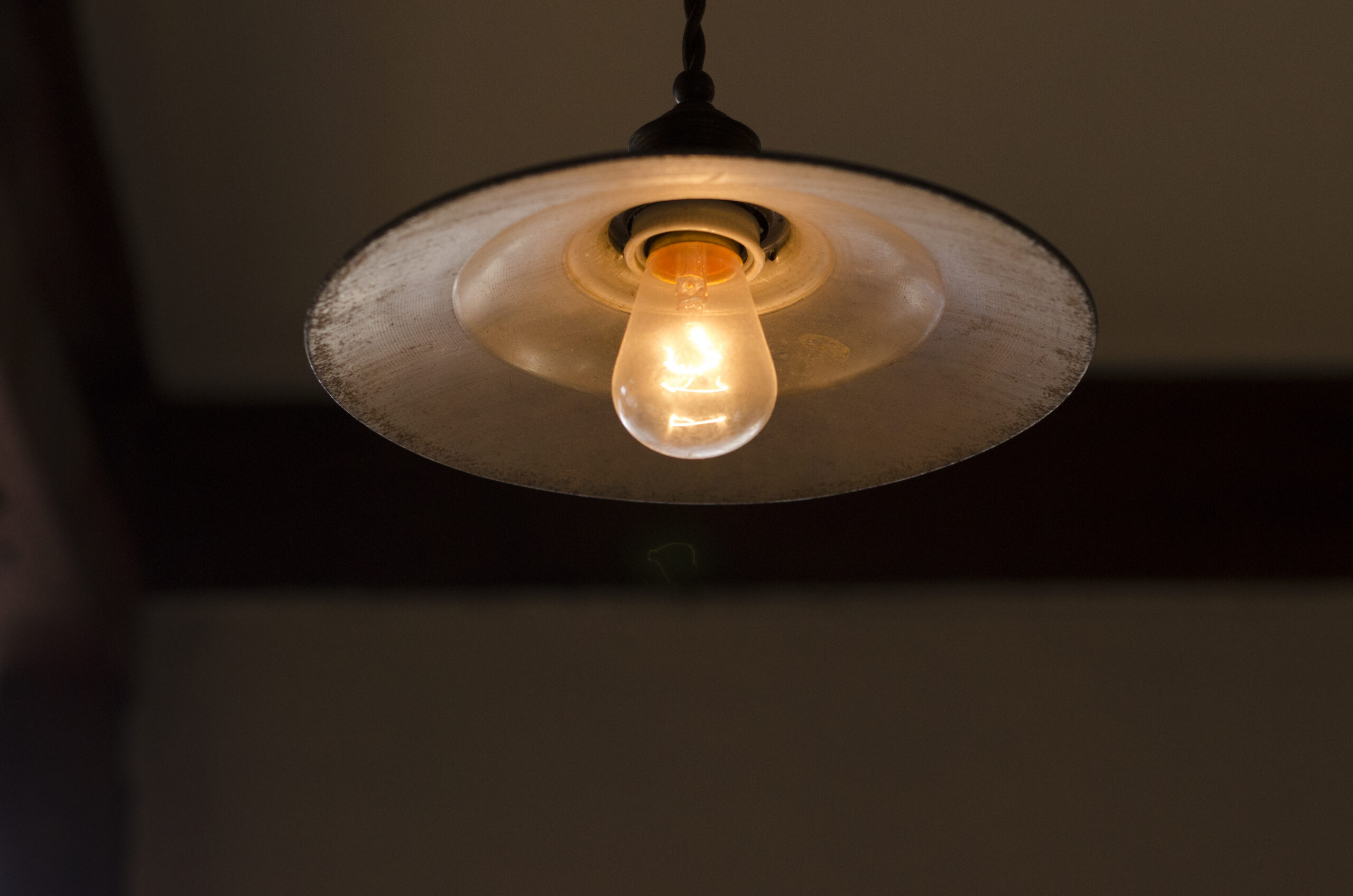
You flip on the kitchen light, and it flickers for a second before staying on. Later that evening, the dining room lights dim when the microwave starts. Maybe you’ve even noticed the lights blinking in different rooms for no obvious reason.
If you’ve been wondering, why are my lights flickering, you’re asking one of the most common questions electricians hear from homeowners.
The answer isn’t always simple because flickering lights can happen for several different reasons. Sometimes the cause is minor and easy to fix. Other times, it’s your home’s electrical system letting you know that something needs attention before it becomes a bigger problem.
The good news is that the pattern of the flickering often provides valuable clues. Paying attention to when it happens, how often it happens, and whether it affects one light or several can help determine whether you’re dealing with a simple repair or an issue that deserves a professional electrical inspection.

Start by Looking at Which Lights Are Flickering
One of the first things to notice is whether the problem affects a single light or several lights throughout your home.
If only one fixture is flickering, the problem is often limited to that particular light. A bulb that has loosened over time may not be making solid contact inside the socket. An older LED bulb could simply be reaching the end of its life, or the fixture itself may have worn components that no longer provide a reliable electrical connection.
Sometimes the issue is as simple as replacing the bulb. If a new bulb doesn’t solve the problem, however, the light fixture or a faulty light switch could be responsible. Those problems usually stay isolated to one room rather than affecting the entire house.
When homeowners ask, why are my lights flickering, narrowing down whether it’s one fixture or multiple rooms is often the first step toward finding the answer.
Does It Only Happen When Appliances Turn On?
Another common clue is whether your lights flicker when appliances turn on.
Think about what happens when your air conditioner starts running, your microwave heats up lunch, or your clothes dryer begins a cycle. These larger appliances require extra electricity for a brief moment as they start. In many homes, a slight dip in brightness for a fraction of a second isn’t unusual.
That doesn’t necessarily mean you have serious electrical problems.
However, if the lights dim dramatically every time certain appliances run, or if the flickering seems to be getting worse over time, your home’s electrical system may be working harder than it should. Older homes, especially those with electrical systems that weren’t designed for today’s power demands, can struggle when several high-powered appliances are running at once.
If you keep noticing that your lights flicker when appliances turn on, it’s worth having the situation evaluated before it develops into a larger issue.

When Multiple Rooms Are Affected
If lights throughout your house are flickering, the cause is usually different than if only one fixture is acting up.
This type of widespread flickering can point to a loose electrical connection, a problem inside your electrical panel, or even an issue with the power coming into your home. While those possibilities vary in severity, they all deserve more attention than a single loose light bulb.
Electrical connections naturally expand and contract as they heat up and cool down over the years. Eventually, those repeated changes can allow connections to loosen. When electricity can’t flow consistently through those connections, the result may be flickering lights, inconsistent power, or other electrical problems.
Unlike a loose bulb, a loose electrical connection can become dangerous because it may generate heat or electrical arcing. Left alone, that can damage wiring and increase the risk of an electrical fire.
That’s why widespread flickering should never be dismissed as something that will probably go away on its own.
Sometimes the Problem Isn’t Inside Your Home
Many homeowners automatically assume the problem is somewhere in their own wiring, but that isn’t always the case.
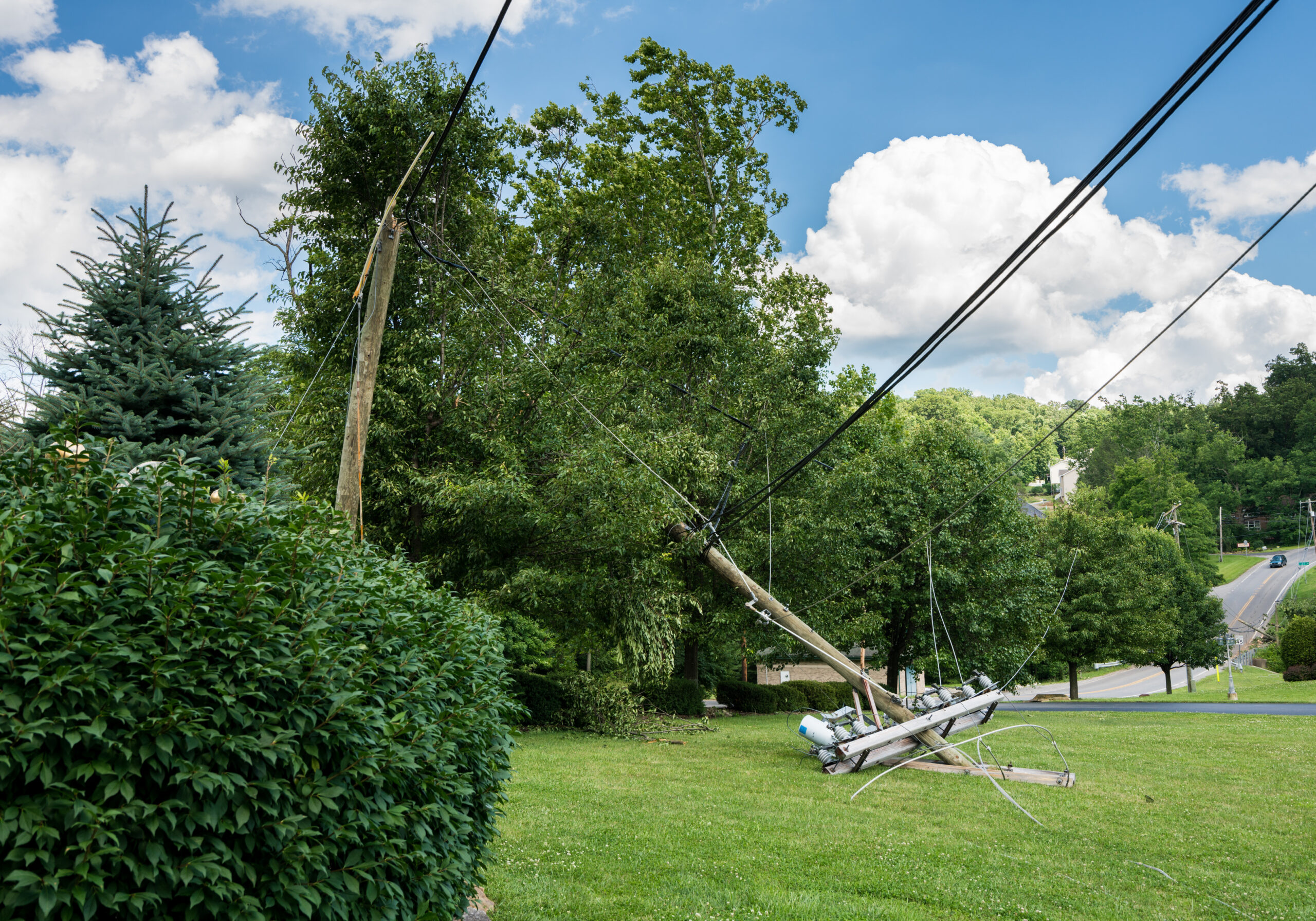
Storms, damaged power lines, equipment repairs, and temporary voltage fluctuations can all affect the electricity coming into your neighborhood. If your neighbors are experiencing the same issue, your utility provider may already be aware of the problem.
If you’re still asking yourself, why are my lights flickering, take a quick look outside or ask a neighbor whether they’ve noticed the same thing. That simple conversation can sometimes save you unnecessary worry.
On the other hand, if your neighbors have normal power while your lights continue to flicker, it’s much more likely that the issue is somewhere within your own electrical system.
Don’t Ignore Other Warning Signs
Flickering lights by themselves don’t always signal an emergency. When they’re accompanied by other symptoms, however, it’s important to take them seriously.
If you hear buzzing or crackling sounds coming from an outlet or switch, notice a burning smell, feel warmth around electrical devices, or find that your circuit breakers are also tripping, those warning signs suggest that something more significant may be happening.
Electrical systems are designed to operate quietly and consistently. When they begin behaving differently, they’re often giving you an early warning that a repair is needed.
Rather than waiting to see if the problem gets worse, it’s safer to have the issue investigated while it’s still small.
Listen to What Your Home Is Telling You
If you’ve been wondering why your lights are flickering, your home is giving you information that’s worth paying attention to.
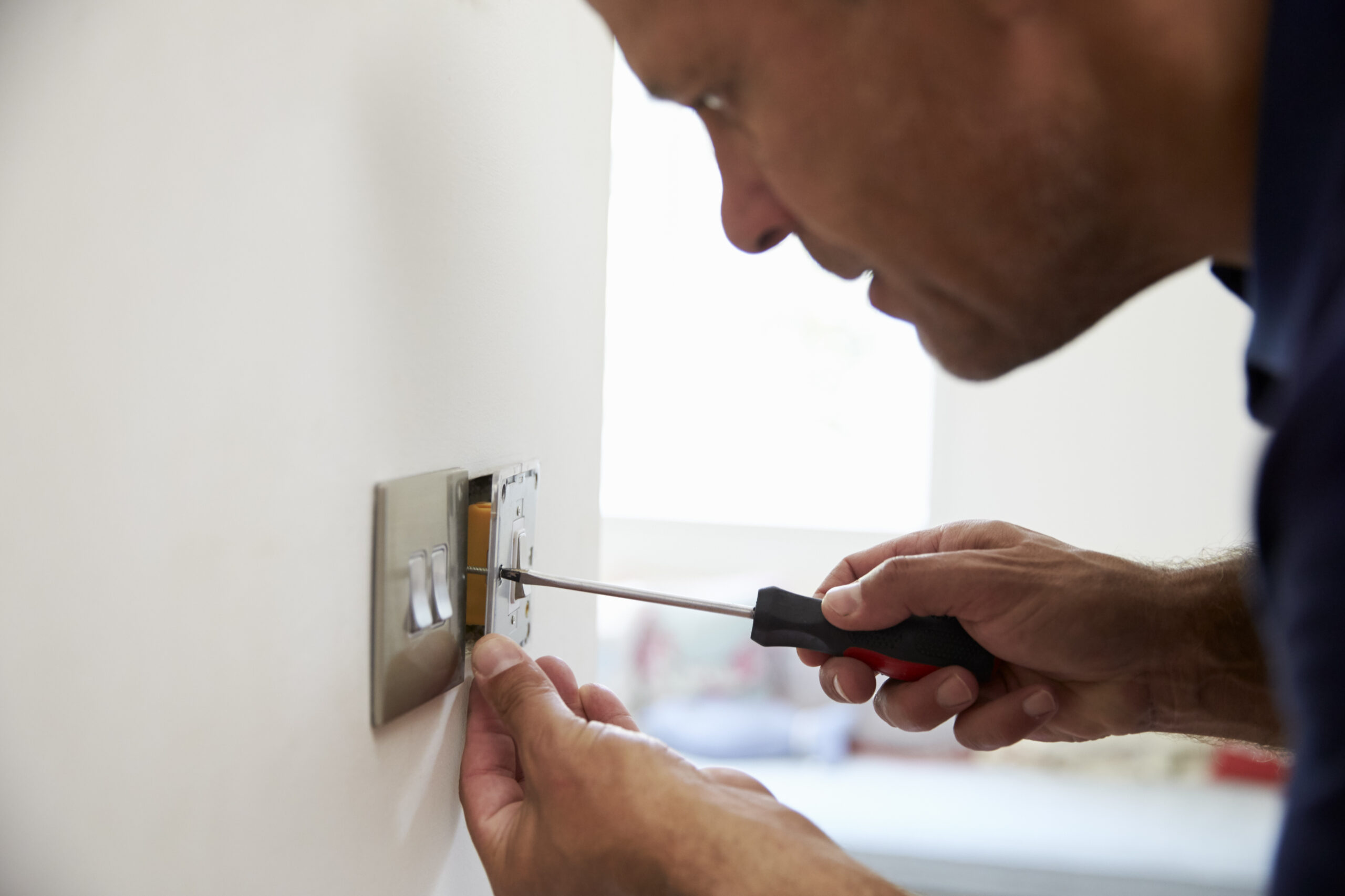
Sometimes the answer is as simple as replacing an ageing bulb or repairing a worn switch. Other times, flickering lights are an early sign of larger electrical problems involving overloaded circuits, ageing wiring, or a loose electrical connection that shouldn’t be ignored.
The important thing isn’t to assume the worst. It’s to understand the difference between a minor inconvenience and a situation that deserves professional attention.
When electrical issues are addressed early, they’re often simpler, safer, and less expensive to fix than they would be after they’ve had time to worsen.
Concerned About Flickering Lights?
If you’re still wondering why your lights are flickering, Take Charge Electric is here to help. Whether the issue affects one room or your entire home, our experienced electricians can identify the cause, explain what’s happening in clear, straightforward language, and recommend the safest solution.

Owner/CEO