Home EV Charger Installation in Gig Harbor, WA
Charge your electric vehicle conveniently at home with a professionally installed charging station. Take Charge Electric installs dependable home EV charging solutions throughout Gig Harbor and the West Sound.
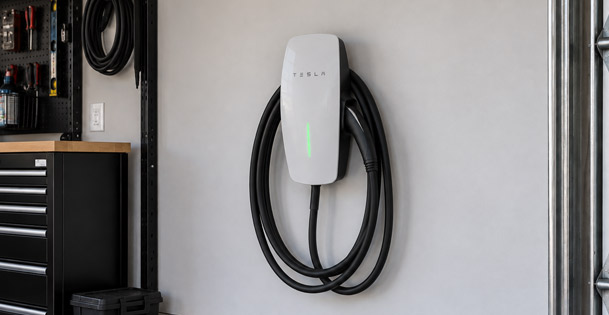
Whether you drive a Tesla, Chevrolet, Ford, Rivian, Hyundai, Kia or another electric vehicle, our licensed electricians can evaluate your home, explain your charging options and install the electrical equipment your vehicle requires.

Licensed Washington electricians
90+ Google reviews
Permits and inspections handled

Home EV Charging Should Be Simple
A home charging station lets you plug in when you arrive home and begin each day with the range you need. You can spend less time relying on public charging stations and make charging part of your normal routine.
The right installation depends on more than the vehicle you drive. Your charger, desired charging speed, parking location, electrical panel and household power use all need to work together. We install compatible charging solutions for Tesla, Chevrolet, Ford, Rivian, Hyundai, Kia, Nissan, Volkswagen, BMW, Volvo and other electric vehicles and plug-in hybrids.
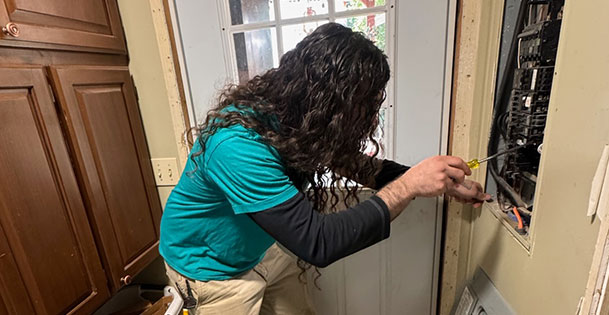
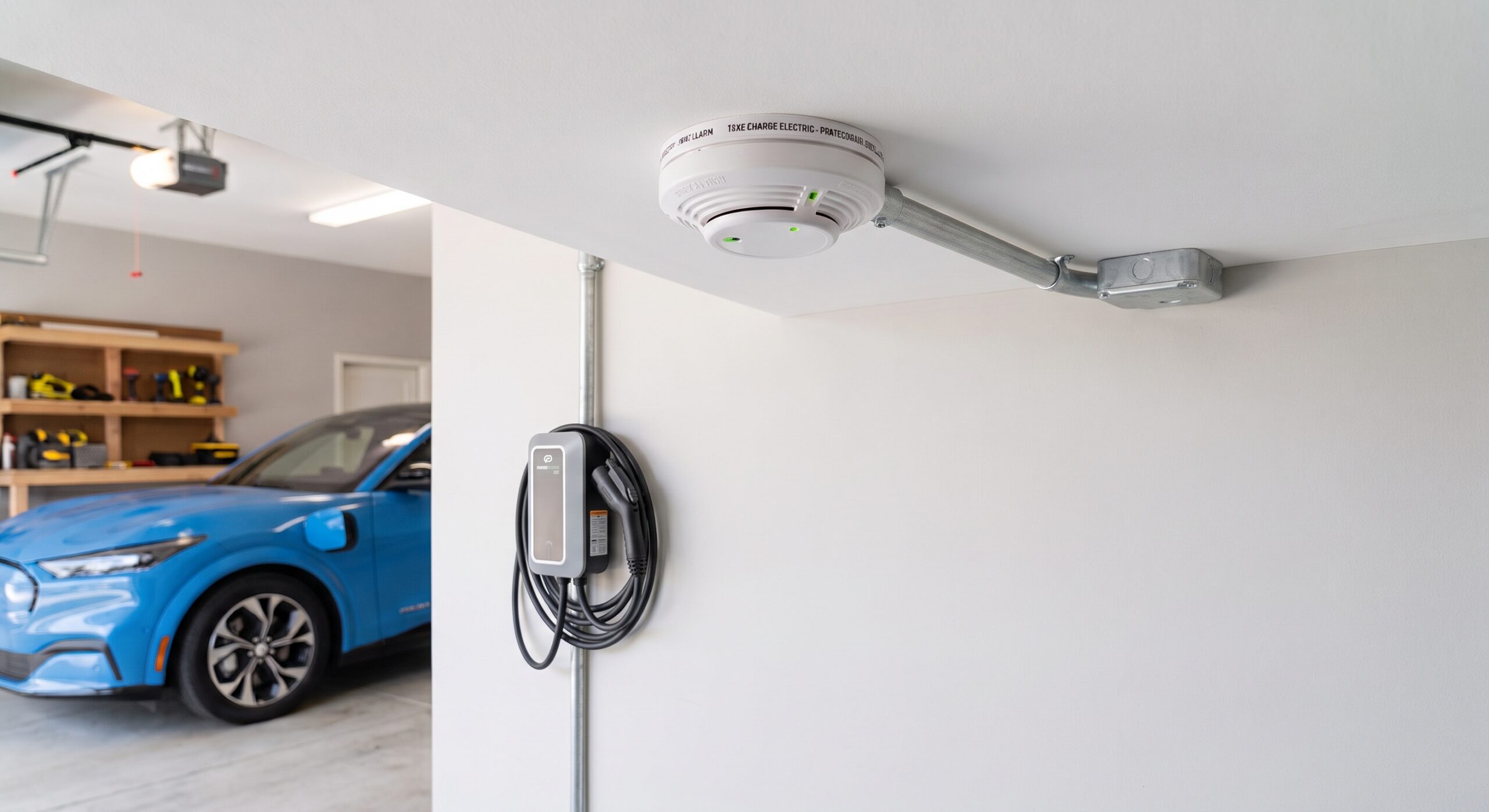
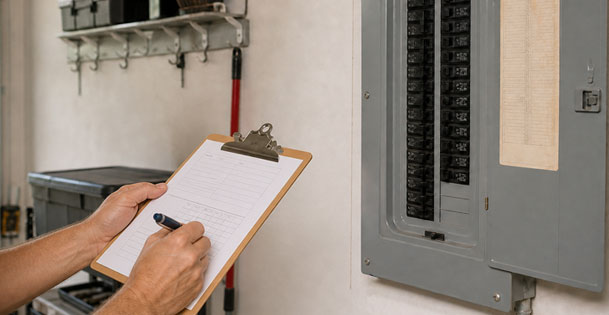
Before recommending an installation, we evaluate your electrical panel and calculate the available capacity. If your home has limited capacity, smart load-management equipment may allow the charger to operate safely without immediately upgrading the electrical service. Some modern chargers also include thermal monitoring that can reduce or stop charging when excessive heat is detected.


Why Homeowners Choose Take Charge Electric
A home EV charger is an investment in your vehicle, home and daily convenience. Our team looks at the complete installation—not just the charger—so that the finished system is dependable, practical and designed for the way you will use it.
Recommendations Based on Your Vehicle and Home
We consider your vehicle, charger requirements, daily driving habits, parking location and available electrical capacity before recommending an installation. This helps ensure your charger provides the performance you need without placing unnecessary demand on your electrical system.
Planning for What Comes Next
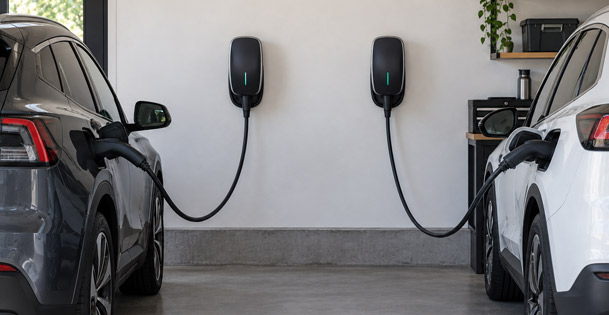
Your charging needs may change if you purchase a different vehicle or add a second EV. We can help you plan for future circuits, additional charging equipment and smart power-management options during the initial installation.
Safe, Code-Compliant Work
EV chargers place a continuous demand on your electrical system. We complete the necessary load calculations, install properly sized circuits and follow applicable electrical codes, equipment instructions and permitting requirements.
Clear Communication From Start to Finish
We explain the recommended installation, project cost and any additional electrical work before getting started. Once the charger is installed, we test the equipment, review the completed work and answer your questions.


How Much Does EV Charger Installation Cost?
Installation costs depend on the distance from the electrical panel, wiring accessibility, charger requirements, panel capacity and whether load-management equipment or additional electrical work is needed.
Use our online estimator to receive a preliminary price range. We will confirm the final cost after reviewing your electrical system and proposed charger location.
What to Expect
Installing a home EV charger should not leave you wondering what happens next. We keep the process organized, straightforward and easy to understand.

Tell Us About Your Vehicle and Charger
Tell us which vehicle you drive, whether you have already purchased a charger and where you normally park.

We’ll Evaluate Your Electrical System
We will review your panel capacity, existing household demand, available circuit space and the proposed wiring route between the panel and charger.

Receive a Clear Estimate
We will explain the recommended installation, whether load management or a panel upgrade is needed and what is included in the project. You will receive a clear estimate before work begins.

We’ll Handle the Details
When the installation requires an electrical permit or inspection, we can coordinate those details and keep you informed about the project schedule.

Your Charger Is Installed and Tested
Our licensed electricians will install the circuit and charging equipment, complete the necessary testing and explain the finished installation before leaving.
Quick Answers
What type of EV charger should I install at home?
Level 1 charging uses a standard household outlet and generally provides slower charging. Level 2 charging typically uses a dedicated 240-volt circuit and provides faster charging, making it the preferred option for many EV owners.
The appropriate charger and power level depend on your vehicle, daily mileage, overnight charging time and available electrical capacity.
Do I need a panel upgrade before installing an EV charger?
Not necessarily. Some homes have enough electrical capacity and panel space for a dedicated EV charging circuit.
If capacity is limited, possible solutions may include configuring the charger at a lower output, installing smart load-management equipment, adding a subpanel or completing an electrical service upgrade. We will evaluate the system before recommending an option.
Learn more about our electrical panel and service upgrades.
Can you install chargers for Tesla, Chevrolet, Ford and other vehicles?
Yes. We can install compatible home charging equipment for Tesla, Chevrolet, Ford, Rivian, Hyundai, Kia, Nissan, Volkswagen, BMW, Volvo and other electric vehicles and plug-in hybrids.
If you have already purchased a charger, send us the manufacturer and model so we can verify its electrical requirements.
What is a smart EV load-management system?
A smart load-management system uses current sensors to monitor how much electricity your home is using. When household demand becomes too high, the system can reduce or temporarily pause vehicle charging. Charging resumes when sufficient capacity becomes available.
This may make EV charging possible in some homes without immediately upgrading the electrical service. Whether it is appropriate depends on the home, charger and existing electrical system.
Do EV chargers have protection against overheating?
Many modern charging stations include thermal sensors that monitor temperatures within the equipment. Depending on the charger, it may reduce the charging rate or stop a charging session if excessive heat is detected.
Built-in thermal monitoring does not replace proper installation. The circuit, wiring, connections and charging equipment must still be selected and installed correctly.
Is a hardwired or plug-in EV charger better?
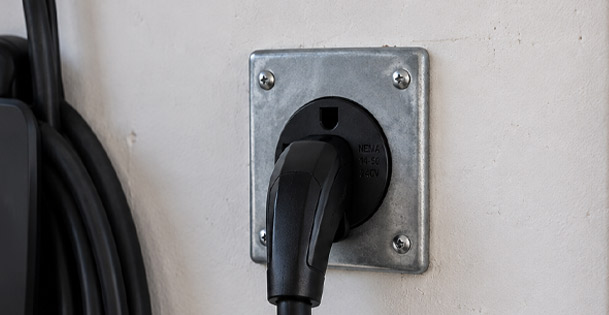
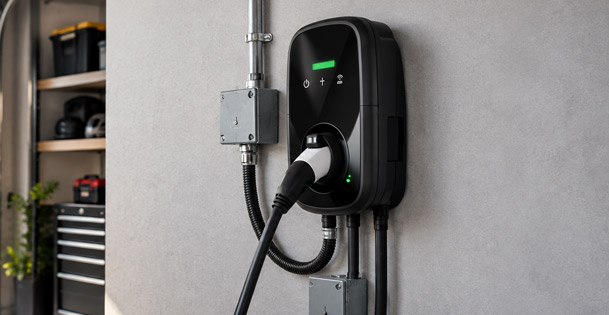
Both configurations can work well. A hardwired charger provides a permanent connection and may be preferred for some outdoor or higher-capacity installations. A plug-in charger may offer additional flexibility if you expect to replace or relocate the equipment.
We will explain which option is suitable for your charger, home and installation location.
Can an EV charger be installed outside?
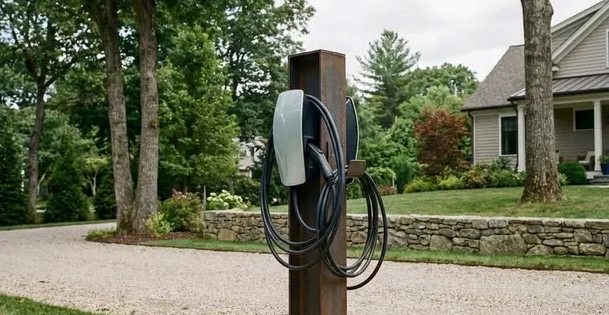
Many EV chargers are manufactured for outdoor installation when installed according to their equipment ratings and instructions. We will evaluate the proposed location, exposure to weather, cable reach and protection from accidental damage before recommending an exterior installation.
Do EV charger installations require a permit?
Permit requirements depend on the electrical work involved and the local jurisdiction. When a permit or inspection is required, Take Charge Electric can coordinate the applicable process as part of the project.
Start Charging at Home
Your home charging station should fit your vehicle, your electrical system and the way you drive. Take Charge Electric can evaluate your home, explain the available options and install a charging solution built for safe, dependable everyday use.
Start with our online estimator to receive a preliminary price range based on your vehicle, charger and installation details.