
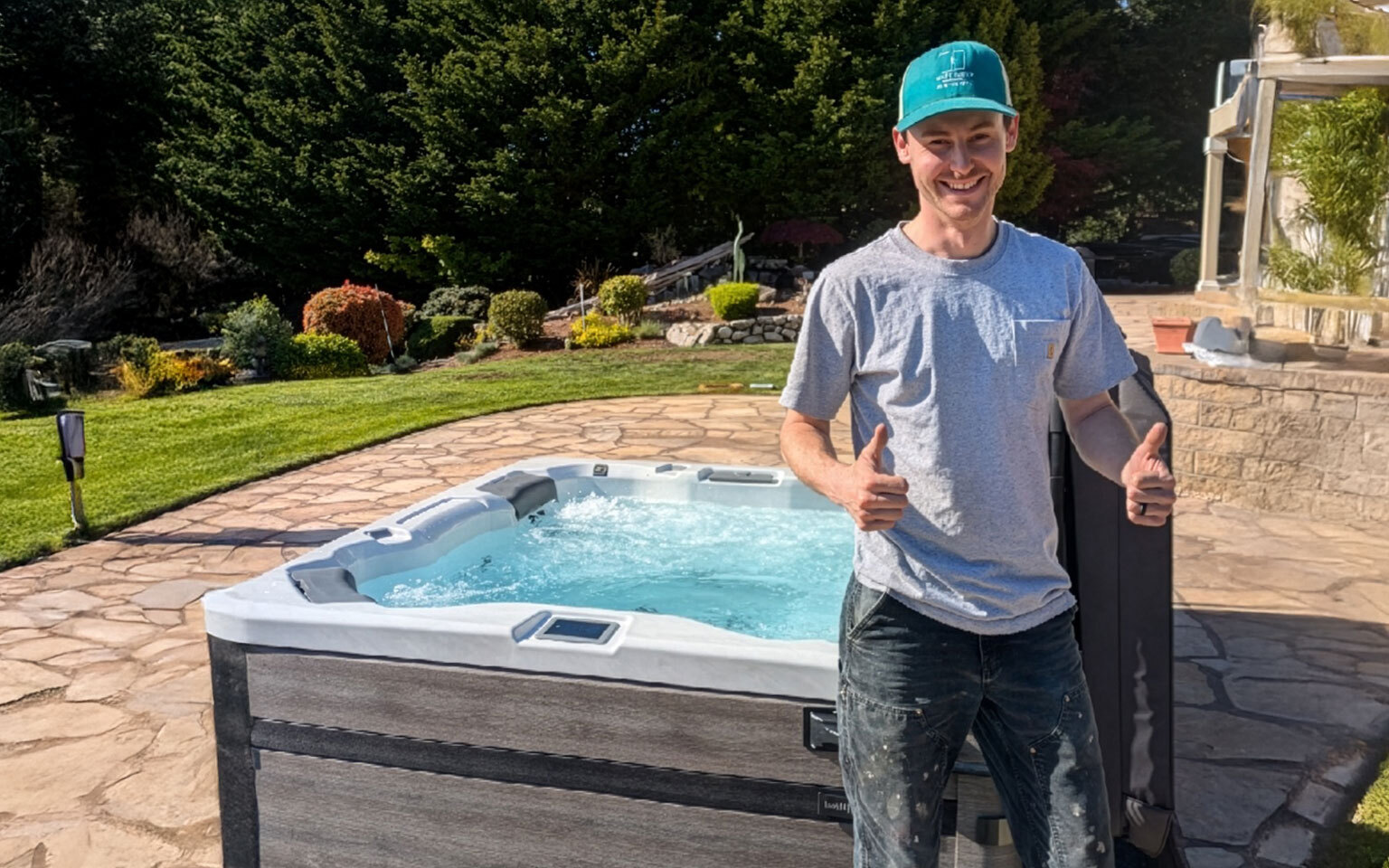
A new hot tub can turn your backyard into a relaxing place to unwind, but it needs more than a level pad and a garden hose. Before delivery day, your home’s electrical system must be ready to handle the added load safely. Proper hot tub wiring protects your family, your equipment, and your home from electrical shock, fire, and expensive damage.
This is not a good project for guesswork. Electricity and water are a dangerous mix, and hot tubs have strict electrical rules for that reason. Working with an experienced electrician helps ensure every part of the installation is properly sized, safely placed, and ready for inspection.
Start With the Hot Tub You Want
One of the first things to look out for is the power requirement of the hot tub you plan to buy. Smaller models may plug into a regular outdoor outlet, while larger tubs often need a new electrical connection. The size of the tub, its heater, and the number of pumps can all affect how much power it needs.
You do not need to sort through the technical details on your own. The important step is to have the model information or installation guide available for your electrician. It provides the details needed to plan a safe connection for that specific tub.
Try to choose your model before scheduling the electrical work. Two tubs that look similar may have different power needs. Confirming the model early can help you avoid changes, extra costs, or delays when installation day arrives.
Does Your Electrical Panel Have Enough Capacity?
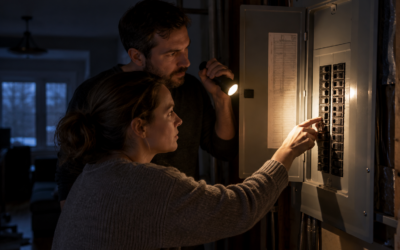
An empty breaker space does not always mean your panel can safely power a hot tub. An electrician will check the amount of electricity your home already uses and look at the panel’s overall condition.
You may need a panel upgrade if:
- Your panel is already close to its power limit.
- There is no room for the required breaker.
- You notice rust, heat damage, or signs of wear.
- Your panel is older or uses outdated equipment.
- Breakers trip often when several appliances are running.
Having the panel checked before delivery can help uncover problems early and prevent delays on installation day.
Why a Dedicated Circuit Matters
Most full-size hot tubs need their own electrical circuit. The hot tub gets a separate power connection that is not shared with outdoor lights, outlets, or other appliances.
This helps the hot tub run safely without placing too much demand on another circuit. It also reduces the chance of losing power when the heater and pumps are running at the same time.
Because the connection may be outdoors, every part of it must be able to handle rain, moisture, and changing weather. Your electrician will choose the right breaker, wiring, and protective equipment based on the hot tub you purchase and where it will be installed.
GFCI Protection Is Essential
Ground-fault circuit-interrupter protection can shut off power quickly when electricity begins flowing along an unsafe path. That protection is especially important when people are sitting in water. A standard breaker alone does not provide the same level of protection.
Current code requires qualifying spa and hot tub equipment to have proper GFCI protection. Depending on the design, this protection may be provided through a GFCI breaker in the main panel or in a spa disconnect panel. Nearby receptacles and other equipment may have additional requirements based on their distance from the water.
A GFCI that trips should never be bypassed. The trip may be warning you about moisture, damaged equipment, incorrect wiring, or a fault inside the spa. A qualified electrician can test the system and find the cause without defeating an important safety device.

The Disconnect Must Be Safe and Accessible
A service disconnect allows power to be shut off near the spa during maintenance or an emergency. It generally must be readily accessible, within sight of the equipment, and placed far enough away that someone using the tub cannot reach it from the water.
Washington’s electrical rules require the maintenance disconnect and field-installed equipment to be at least five feet from a spa or hot tub, although an approved permanent barrier can affect how that distance is measured. Your electrician can review the state’s spa requirements in WAC 296-46B-680 with you.
The disconnect should not be hidden behind the tub, blocked by landscaping, or placed where a technician cannot reach it. Careful planning keeps it accessible without making it the center of your backyard design.
Plan the Hot Tub Location Before Running Wire
The final location affects the entire installation. Your electrician needs to consider the distance from the main panel, the route for conduit, underground digging, nearby receptacles, lighting, doors, windows, metal surfaces, and overhead power lines.
The tub also needs a strong, level base with enough room for its access panels to open. Avoid placing permanent electrical equipment where water will drain or where snow, plants, or stored items will block it. If conduit will run underground, the required burial depth and protection depend on the wiring method and site conditions.
Moving a hot tub several feet after the work is finished can create code problems or require the circuit to be rerouted. It is much easier to walk through the location with your electrician, spa dealer, and foundation contractor before anyone starts digging.
Permits and Inspections Protect You
Most new electrical installations require an electrical permit and inspection. Washington Labor & Industries explains that an electrical permit is required for most electrical work. The agency or utility responsible for inspection can vary by address, so your electrician should confirm the proper authority before work begins.
Pierce County notes that a self-contained spa installed entirely above ground may be exempt from a building permit, but its official permit bulletin directs homeowners to the proper authority for electrical work. Decks, concrete work, plumbing changes, or other site improvements may have separate requirements.
An electrical permit creates a record of the work, and an inspection confirms that visible portions meet applicable safety rules. This documentation can also be helpful when you sell your home or deal with an insurance claim.
What Affects Hot Tub Electrical Wiring Cost?
The price depends on more than the breaker. Important factors include the distance from the panel, panel capacity, circuit size, conduit route, trenching, surface materials, disconnect equipment, permit fees, and access around the house.
A tub located close to a modern panel will usually take less work than one placed across a finished yard. If a panel or service upgrade is needed, that will also change the scope. The best way to get a useful number is to schedule an on-site review after choosing the tub and location. Be cautious with any quote that is given without checking the panel, route, and manufacturer’s specifications.
Call Take Charge Electric Before Delivery Day
Take Charge Electric helps homeowners plan safe, code-compliant hot tub wiring without making the process confusing. We can evaluate your panel, complete a load calculation, plan the circuit and disconnect, arrange the electrical permit, and prepare the connection for inspection.
Calling early can help prevent delivery delays, surprise upgrades, and last-minute changes to your yard. We provide hot tub wiring throughout Key Peninsula, Gig Harbor, Port Orchard, Silverdale, Poulsbo, Belfair, Allyn, Shelton, Tacoma, and surrounding areas. Contact Take Charge Electric today to schedule an evaluation. We’ll explain what your home needs, provide clear options, and help you get ready to enjoy your new spa with confidence.

Owner/CEO
Matt built Take Charge Electric with a simple goal: do things the right way and take care of people. He takes pride in building a team that stands behind their work and makes a real impact in the community. Seeing that come to life every day is what drives him.
Follow Us