Spring in Western Washington is beautiful — longer days, blooming trees, and unfortunately… windstorms.
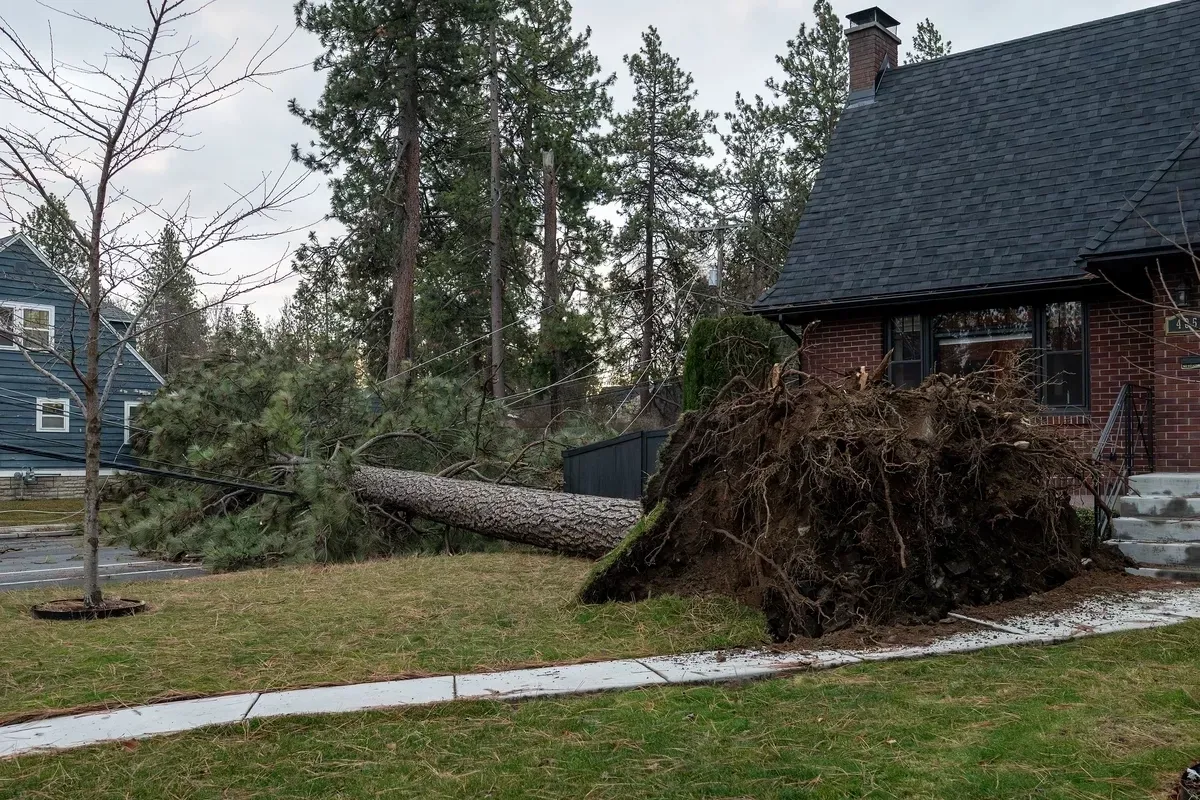
While many homeowners think of winter as “storm season,” March and April regularly bring strong wind events across Pierce, Kitsap, and Mason counties. And those storms don’t just knock down trees — they can quietly stress your home’s electrical system.
Let’s talk about why.
Windstorms Are More Common Than You Think
According to the National Weather Service, Western Washington experiences multiple wind advisories and high-wind events each spring, with gusts frequently exceeding 40–60 mph in exposed areas.
In fact:
- Washington averages 10–15 significant wind events per year
- Power outages affect thousands of homeowners during major storms
- Tree-related damage is the leading cause of storm-related electrical disruptions
Even if your power doesn’t go out completely, your electrical system may still experience stress during these events.
How Windstorms Impact Your Home’s Electrical System
1. Power Surges & Voltage Fluctuations
When utility lines sway or tree branches contact overhead wires, momentary voltage irregularities can occur. These small fluctuations may not trip your breaker — but they can shorten the lifespan of appliances and sensitive electronics.
2. Loose or Damaged Meter Bases
High winds can stress overhead service lines connected to your home. Over time, this can loosen connections at the meter base or service mast — especially in older homes.
3. Panel Moisture & Corrosion
Spring storms bring heavy rain. If your panel is older or improperly sealed, moisture intrusion can lead to corrosion inside the panel — something we often find during inspections this time of year.
4. Outdated Panels Under Strain
If your home still has an older 100A panel, spring storm fluctuations combined with modern power usage can expose weaknesses. Breakers may trip more frequently or fail to protect circuits properly.
Warning Signs After a Windstorm
After a storm passes, keep an eye (and nose) out for:
- Flickering lights
- Breakers that trip repeatedly
- Burning plastic smells near outlets
- Buzzing from your panel
- Exterior service mast pulling away from the home
If you notice any of these, it’s worth having a licensed electrician take a look.
Why Generators Matter in Spring — Not Just Winter
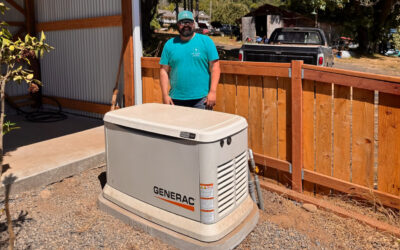
Many homeowners assume standby generators are only for winter snowstorms. But in our region, wind-driven outages are actually more common.
According to regional outage data, windstorms consistently cause some of the largest outage events each year in Western Washington.
A properly installed standby generator:
- Automatically restores power within seconds
- Protects refrigerated food and medical equipment
- Keeps sump pumps and well systems operating
- Prevents frozen pipes during cold spring nights
For families working from home or homeschooling, even a few hours without power can completely disrupt the day.
A Simple Spring Electrical Check-Up
March is the perfect time to:
- Have your panel inspected
- Ensure exterior connections are secure
- Test your generator (or consider installing one)
- Evaluate whether your panel can handle today’s power demands
At Take Charge Electric, we approach this calmly and practically. No scare tactics. Just honest recommendations based on what we see.
If you’re unsure whether your electrical system is ready for spring storm season, we’re happy to take a look and give you straightforward guidance.
Need Peace of Mind Before the Next Wind Advisory?
Call Take Charge Electric
253-900-9798
Licensed & Insured | WA License #TAKECCE788MG
Serving Gig Harbor, Tacoma, Port Orchard, Bremerton, Belfair, and surrounding areas

Owner/CEO