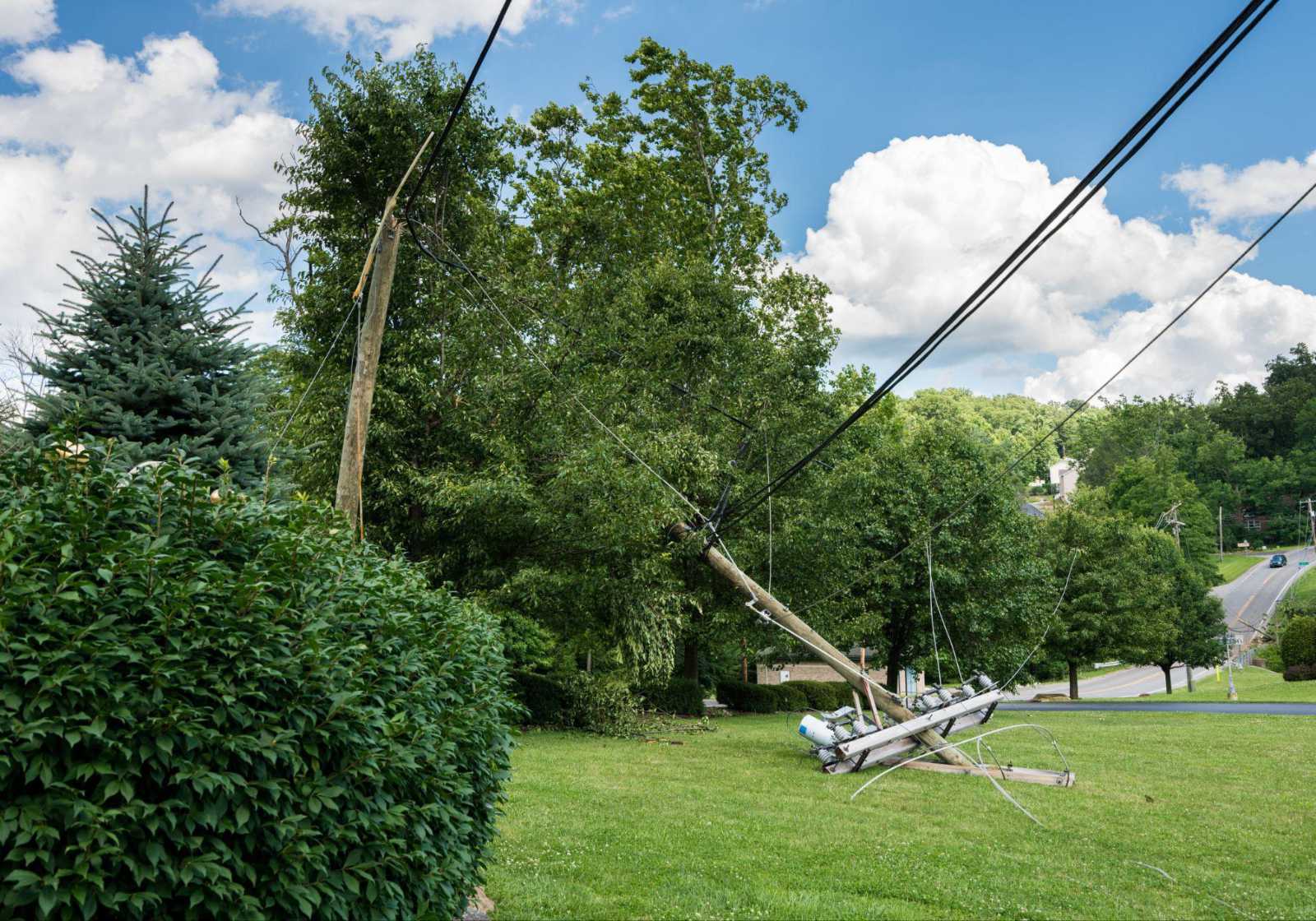
A fallen tree or large branch can create much more than a cleanup project. It can damage fencing, block access to your property, pull electrical equipment loose, and leave dangerous wires or equipment exposed.
Take Charge Electric recently responded to a property where a large limb from a neighbouring tree had fallen near the electrical service. The area surrounding the utility pole was buried under heavy branches and brush. The damage created a potentially dangerous electrical situation, but the debris made the pole impossible to reach safely.
Resolving the problem required more than a standard electrical repair. Take Charge Electric needed to clear the area, work with the utility company, install a new post, and relocate the customer-owned electrical equipment. Here is how the team handled the project from beginning to end.
A Fallen Limb Created a Dangerous Electrical Problem
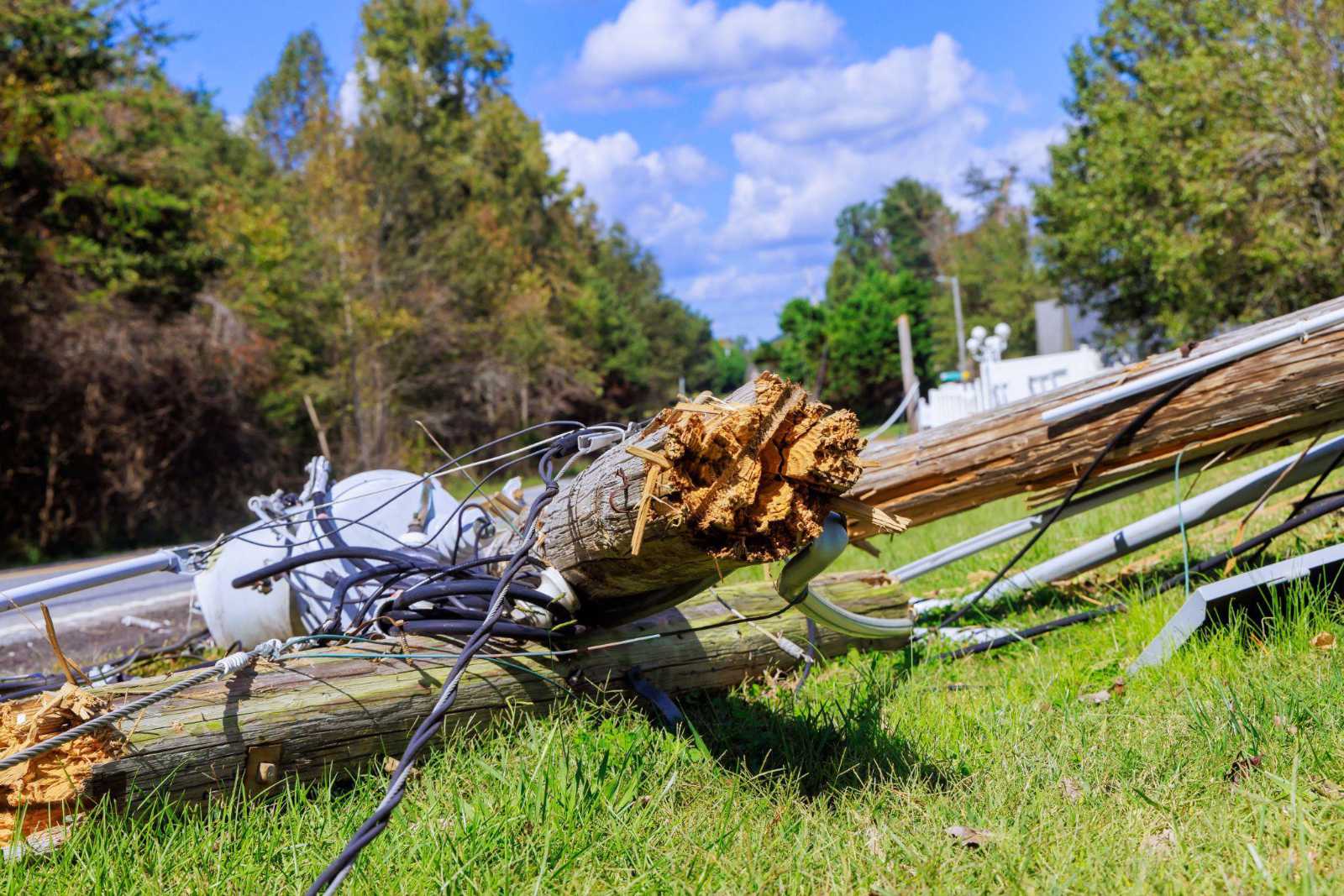
When the limb came down, it left a substantial amount of debris around the utility pole. The pole had also been pulled loose, creating concerns about the stability and safety of the electrical service.
Storm damage to electrical systems is not always easy to assess from a distance. A pole may be leaning slightly. Connections may have been stretched, loosened, or damaged. Wires may also be hidden beneath branches or other debris.
Even when a wire does not appear to be sparking, it may still be energized. Homeowners should never approach a damaged pole, touch a fallen wire, or attempt to remove branches near electrical equipment.
The safest response is to keep people and pets away from the area. Contact the utility company if utility-owned equipment has been damaged. A licensed electrician should also inspect any damage involving the homeowner’s electrical service or other customer-owned equipment.
The Utility Company Could Not Safely Reach the Pole
The utility company needed to access its pole, but the fallen branches and heavy brush were in the way. Take Charge Electric could not safely begin its electrical work under those conditions either.
This created a significant roadblock. Before anyone could repair the storm damage to electrical equipment, the area had to be cleared.
Projects like this often require both the utility company and a licensed electrician. The utility is typically responsible for its lines, poles, and other equipment. The property owner is responsible for parts of the electrical service located on the customer’s side.
However, neither party can safely complete its work if fallen trees or other debris prevent access. The customer needed a practical solution that would keep the project moving without creating additional delays.
Take Charge Electric Brought in the Equipment to Clear the Way
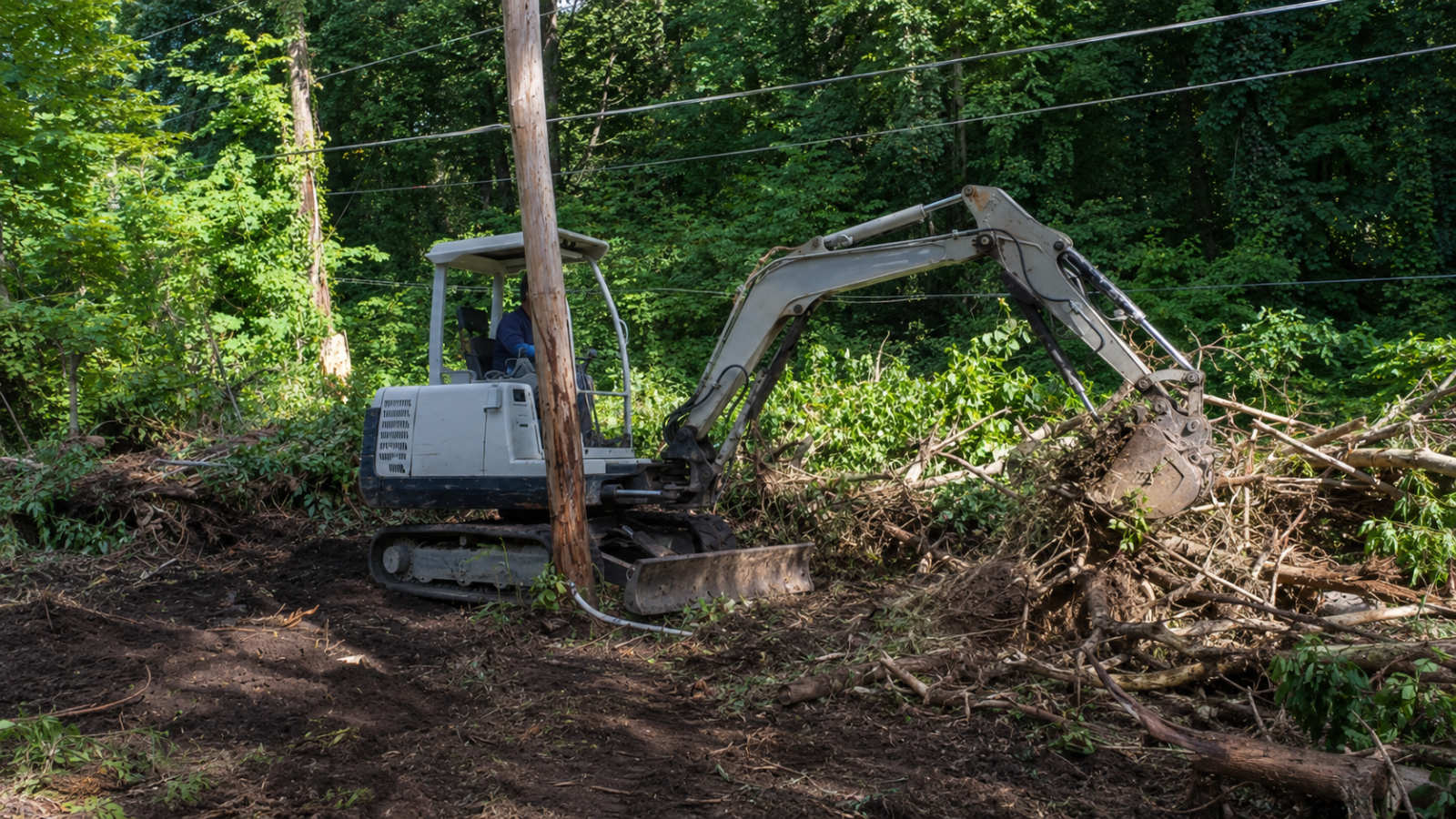
Instead of leaving the customer to find another contractor, Matt brought an excavator to the property. He used it to move the heavy branches, brush, and tree debris surrounding the utility pole.
This was not ordinary yard cleanup. Clearing the area was a necessary part of repairing the storm damage to electrical service. The work had to be handled carefully because of the damaged pole and nearby electrical equipment.
Using an excavator allowed Take Charge Electric to remove substantial debris efficiently. It also created enough room for the electrical crew and utility company to reach the pole and work safely.
That comprehensive approach made a complicated situation easier for the property owner. The customer did not have to stop the project, search for another company, and wait for separate debris-removal services before the electrical work could continue.
Once the area was accessible, Take Charge Electric could move forward with the next stage of the project.
The Customer’s Electrical Equipment Needed a New Post
Before the limb fell, some of the customer-owned electrical equipment had been attached to the utility company’s pole. However, the utility company no longer allowed that privately owned equipment to remain there.
Repairing the storm damage to electrical service therefore involved more than placing the existing equipment back where it had been. The installation needed to meet the utility company’s current requirements.
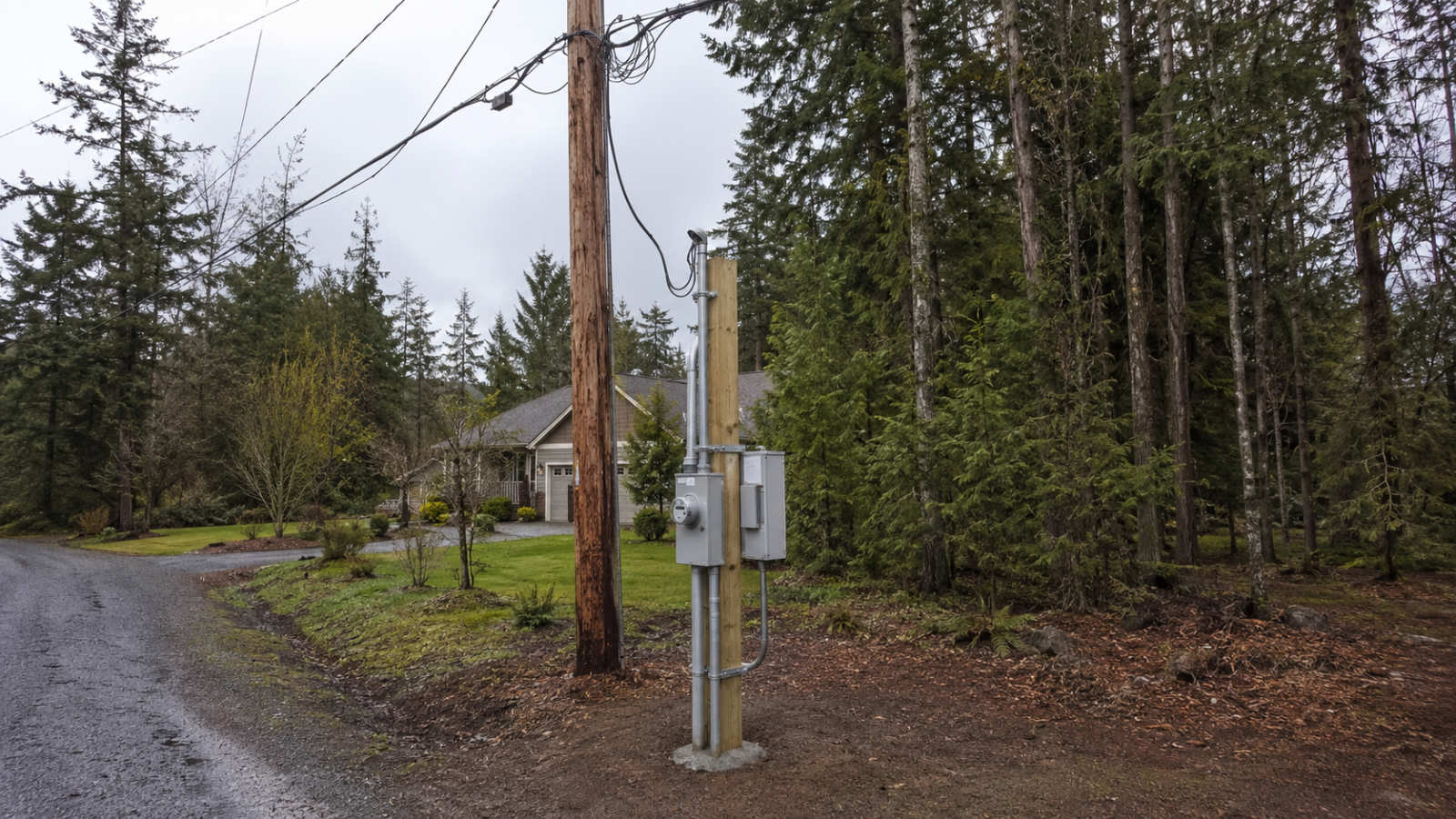
Take Charge Electric installed a separate post next to the existing utility pole. The crew set the new post approximately two-and-a-half to three feet into the ground and secured it with concrete. This created a stable location for the customer-owned equipment.
The electrical equipment was then moved from the utility pole onto the new post. Separating the customer-owned equipment from the utility’s pole allowed each system to remain in its proper location.
This step is an important reminder that repairing older electrical installations may reveal updated requirements. A licensed electrician must understand those requirements and complete the work correctly. Simply recreating the previous setup may not be safe or permitted.
From an Inaccessible Hazard to a Safe Electrical Setup
By the end of the project, the area looked very different.
The heavy tree debris had been removed. The utility company and electrical crew could safely reach the work area. A new post had been installed and secured in concrete. The customer-owned equipment had also been moved off the utility company’s pole.
Resolving this storm damage to electrical service required several types of work. Take Charge Electric brought the equipment, electrical experience, and practical problem-solving skills needed to manage the situation.
The team did not limit its involvement to one small portion of the job. It addressed the obstacle preventing the repairs, completed the necessary electrical work, and helped create a safe installation that followed the utility company’s requirements.
For the property owner, that meant fewer contractors to coordinate and fewer opportunities for the project to stall.
What to Do After Storm Damage to Electrical Service
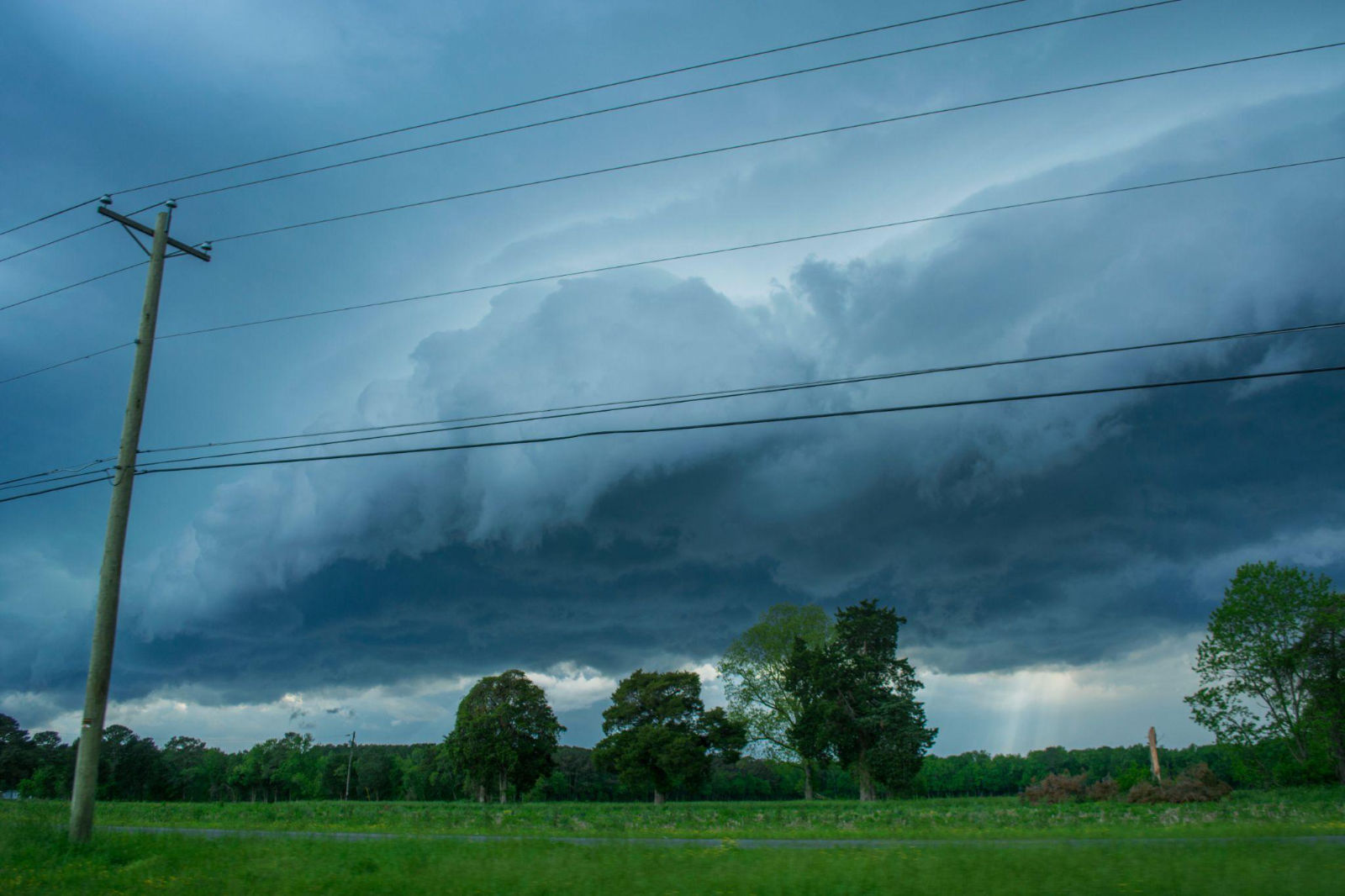
Fallen trees and large branches can cause electrical damage during severe weather, but they can also fall unexpectedly on a clear day. Weak limbs, decay, soil conditions, and other factors may cause a tree or branch to come down without much warning.
If you discover storm damage to electrical equipment on your property, do not attempt to investigate it yourself. Keep everyone away from the affected area, especially if you see fallen wires, a leaning pole, or damaged electrical equipment.
Never move branches that are touching or resting near an electrical line. Even wooden limbs can conduct electricity when they are wet.
Contact the utility company immediately if its pole or lines may be involved. If there is a fire, sparking equipment, or another immediate threat, call emergency services.
You should also contact a licensed electrician to inspect the customer-owned portion of the electrical service. The electrician can determine what has been damaged, explain which repairs are the property owner’s responsibility, and coordinate with the utility company when necessary.
Need Help After a Tree Damages Your Electrical Service?
Storm damage to electrical systems can leave homeowners unsure about whom to call or what needs to happen first. Take Charge Electric can assess the situation, identify the customer-owned equipment involved, and help coordinate the work required to restore a safe electrical setup.
As this project demonstrated, the team is prepared to solve more than the obvious electrical problem. From clearing access to installing a secure post and relocating equipment, Take Charge Electric takes a comprehensive approach to complicated projects.
If a tree or large branch has damaged your electrical service, contact Take Charge Electric for knowledgeable help restoring your property safely.

Owner/CEO