In today’s homes, we depend on electricity for everything—from charging our phones to keeping cool in the summer and cooking dinner in the evening. But not all electrical appliances are created equal, and neither are the circuits they run on. For high-powered appliances, a dedicated circuit isn’t just recommended—it’s essential.
What is a Dedicated Circuit?
A dedicated circuit is exactly what it sounds like: a circuit that is reserved for one specific appliance or electrical load. It has its own breaker in your electrical panel and doesn’t share power with anything else. This ensures the appliance gets the electricity it needs safely.
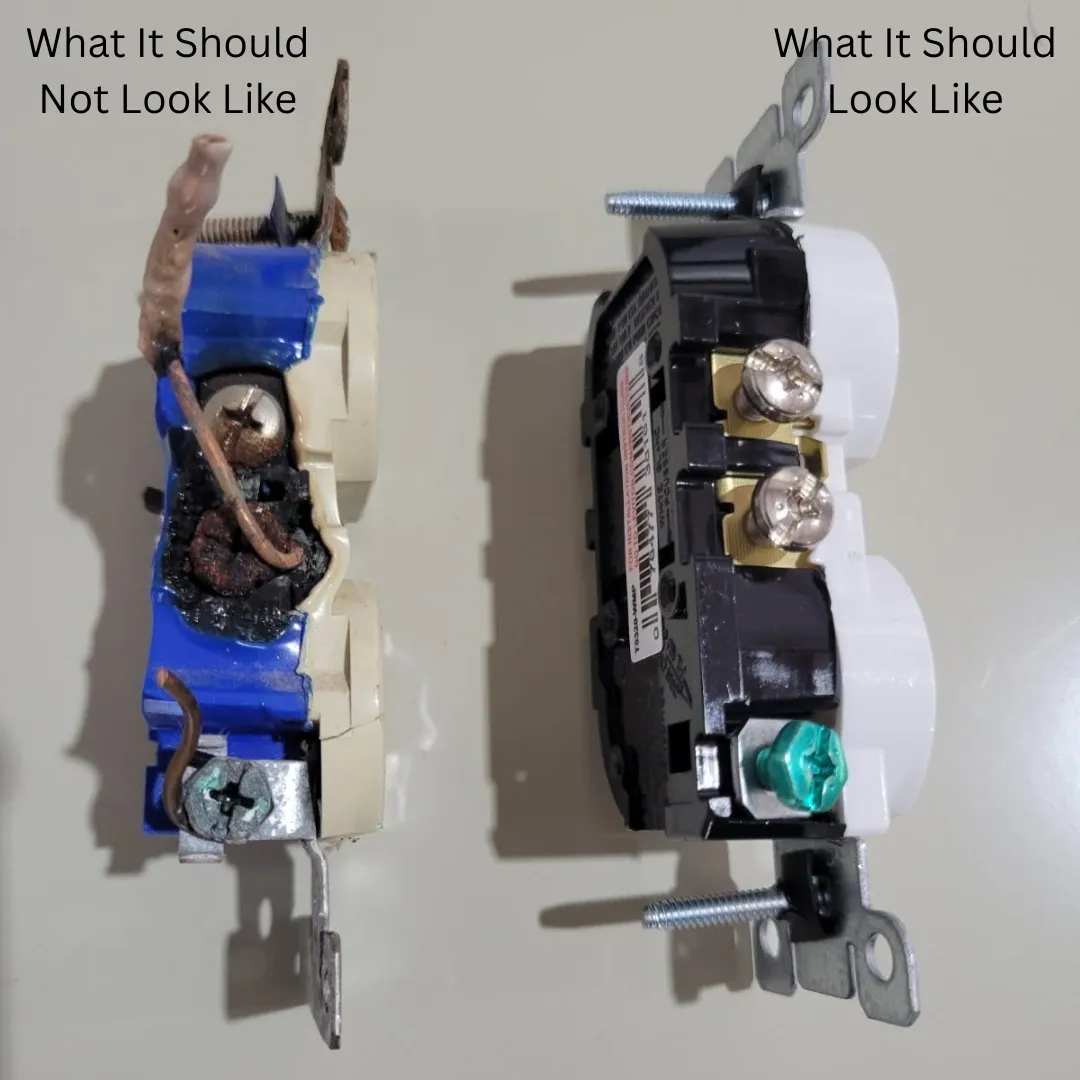
Real-World Example: Overloaded Outlet Meltdown
We recently worked with a customer who plugged a window air conditioner into a standard wall outlet. That same outlet was also powering other devices on the same circuit, which overloaded the wiring. The outlet overheated, and the plastic actually melted—a dangerous situation that could have easily led to an electrical fire.
This happened because window AC units draw a lot of power, especially during startup. When combined with other devices on the same circuit, the wiring simply couldn’t handle the demand.
Large Appliances Need Their Own Space
Here are a few common household appliances that require a dedicated circuit:
- Electric Dryers
- Ovens & Ranges
- Dishwashers
- Microwaves
- Window or Mini-Split AC Units
- Hot Tubs or Spas
- Electric Vehicle Chargers
- Water Heaters
- Furnaces
Each of these appliances can draw a large amount of electricity, especially when running at full capacity. Trying to run them on a shared circuit increases the risk of overheated wires, tripped breakers, or even electrical fires.
Safety First
Dedicated circuits are required by modern electrical codes for a reason: they prevent overloads and protect your home. If you’re not sure whether a particular appliance is on its own circuit, or if you’ve noticed breakers tripping when certain devices run together, it’s time to have a licensed electrician take a look.
Final Thought
Electrical issues don’t always start with a bang—sometimes they start with a hum, a flicker, or a warm outlet cover. But when left unchecked, overloaded circuits can cause serious damage. Whether you’re adding a new appliance or just want peace of mind, investing in dedicated circuits is one of the smartest moves you can make for your home’s electrical safety.
Do you need a circuit check, or are you planning to add a new appliance?
Take Charge Electric is here to help! Our licensed electricians serve homeowners and businesses throughout the Key Peninsula, Gig Harbor, Belfair, Poulsbo, Bremerton, Port Orchard, Tacoma, and surrounding areas. We’ll make sure your home is powered safely and up to code.
Call us at (253) 900-9798 or click here to discuss your options!

Owner/CEO