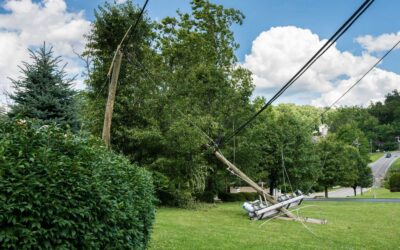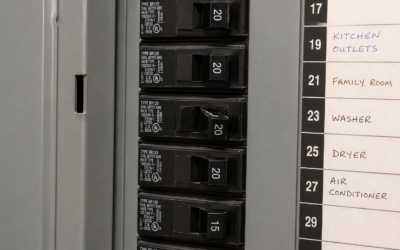
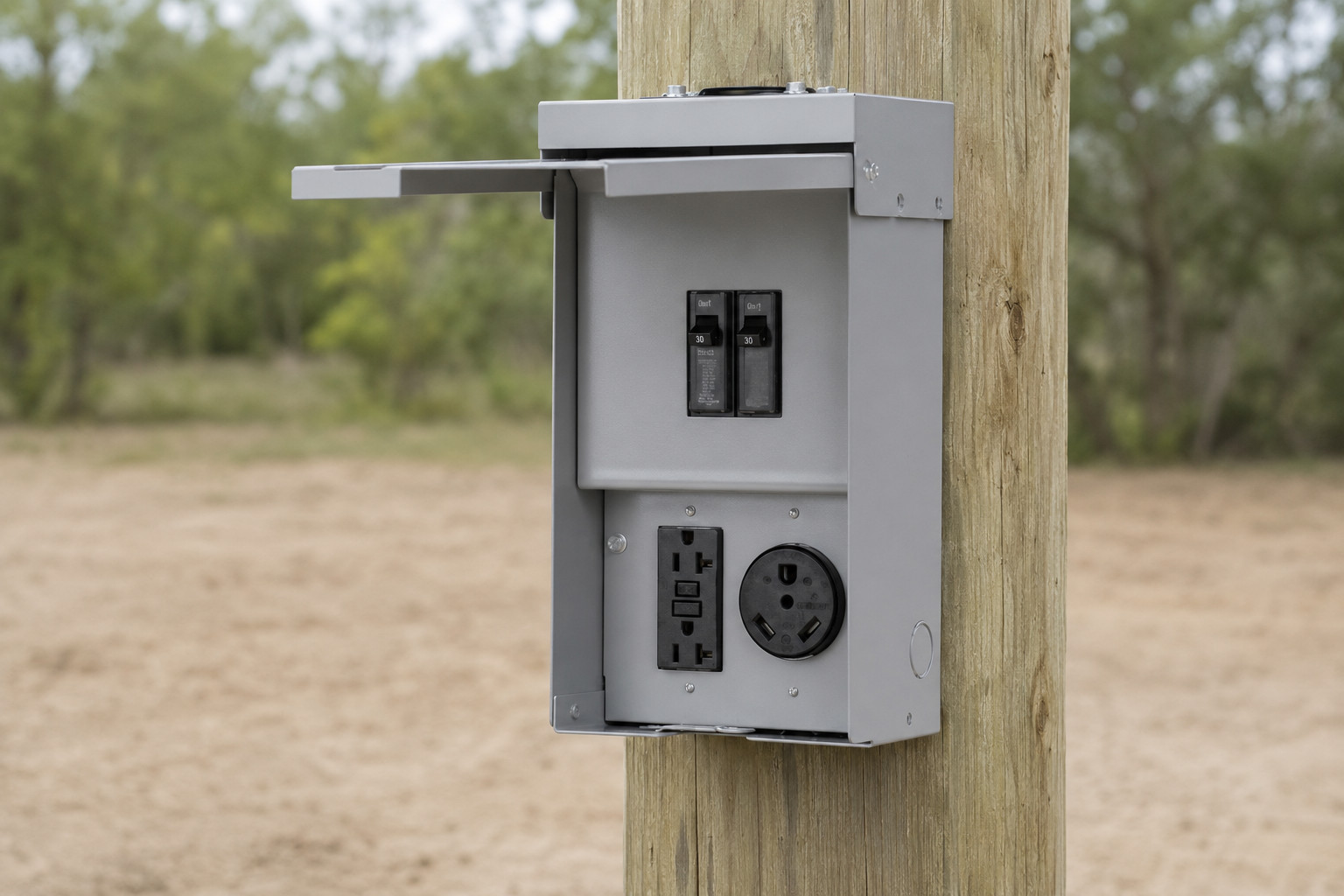
Electricity is easy to take for granted until you need it somewhere without permanent electrical service. A construction site may need power before the building is connected to the utility. An outdoor event may require electricity for lighting, food service equipment, and sound systems. Crews responding to storm damage may also need a reliable way to operate tools.
A temporary power distribution panel provides a safer, more organized way to deliver electricity where it is needed. The right setup can support multiple tools, work areas, or pieces of equipment without relying on a tangled collection of extension cords and splitters.
What Is a Temporary Power Distribution Panel?
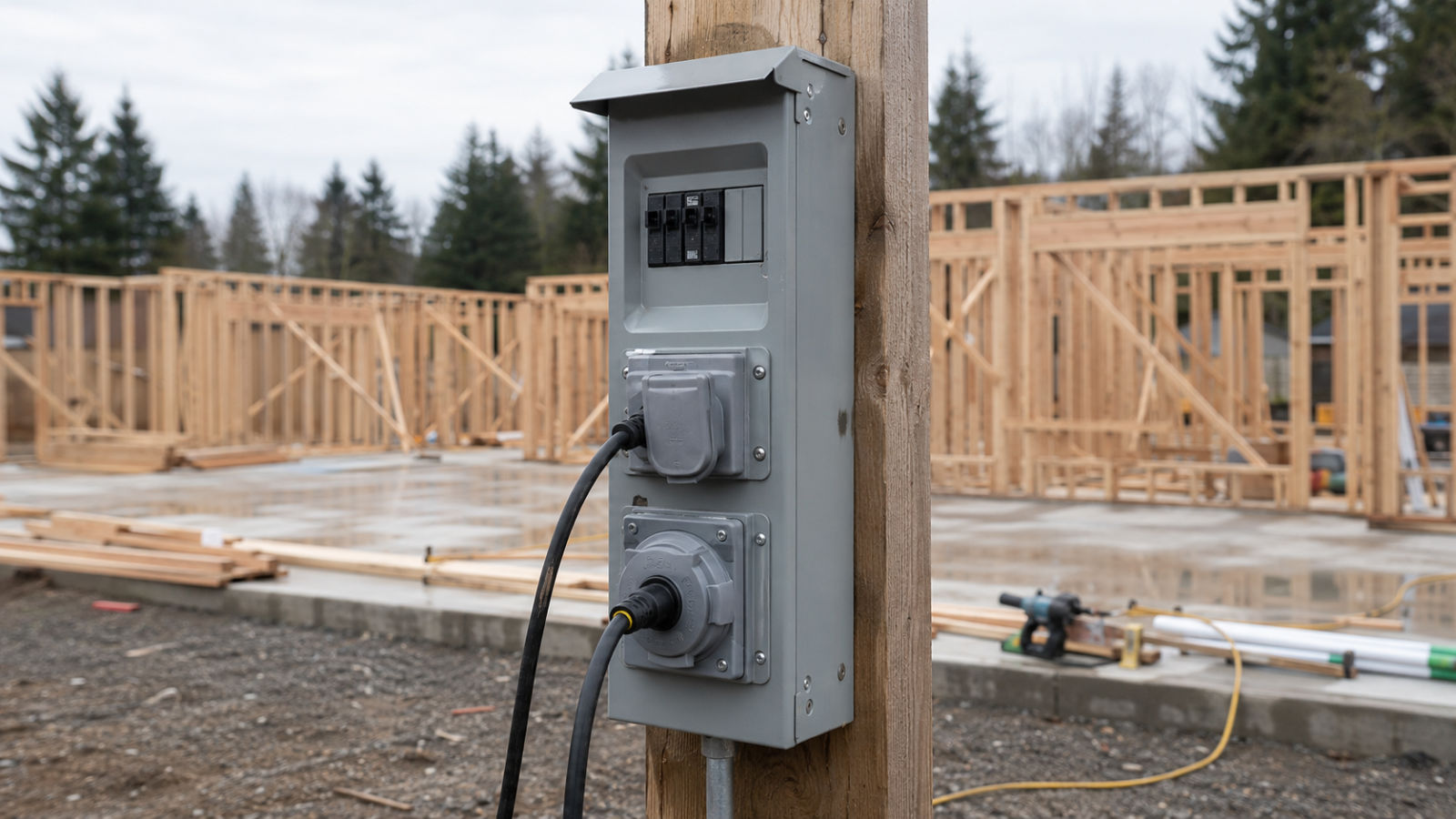
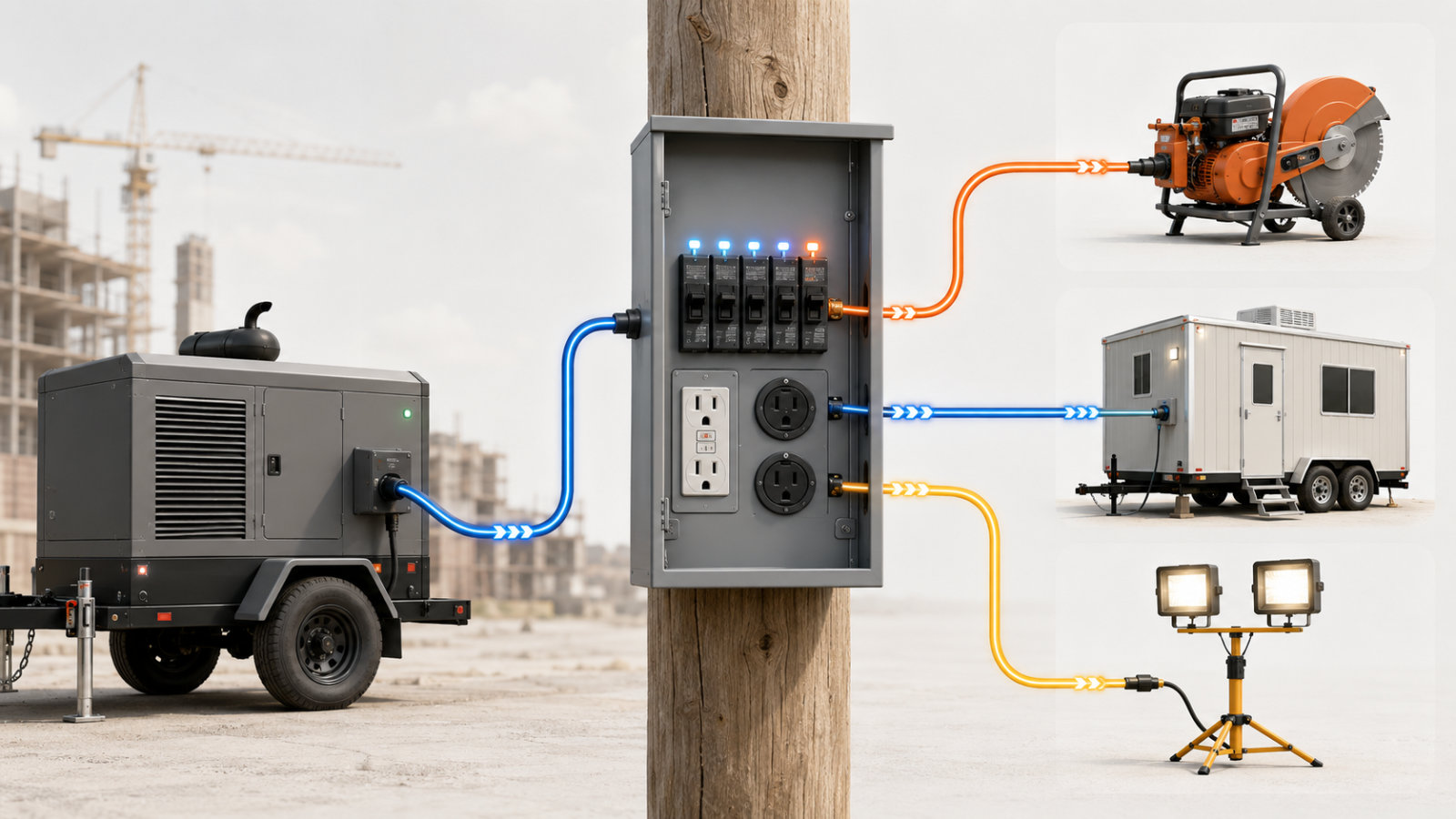
A temporary power distribution panel receives electricity from an approved power source and divides it among several outlets or circuits. Depending on the project, that power may come from a generator, existing electrical service, or another properly installed temporary supply.
The panel serves as a central distribution point. Instead of connecting every tool directly to one distant power source, electricity can be distributed through outlets designed for the equipment being used.
A temporary power distribution panel may include circuit breakers, protective devices, standard outlets, higher-voltage receptacles, and connections for specialized equipment. The exact design depends on the electrical demands of the project.
This is different from connecting several extension cords to a single outlet. A professionally planned system accounts for the total electrical load, outlet requirements, cord distances, and working conditions.
How Does Temporary Power Distribution Work?
The process begins with determining where the electricity will come from. Once a suitable source is available, power travels to the distribution panel. The panel then divides it among the connected outlets and circuits.
Each circuit can supply a particular tool, machine, trailer, work area, or group of smaller devices. Circuit breakers help protect the system when a circuit becomes overloaded or develops an electrical problem.
However, circuit breakers cannot correct an improperly planned setup. The temporary power distribution panel must be sized for the combined demand of everything connected to it.
Electricians must consider how much power each item uses and whether several pieces of equipment will operate at the same time. Motors, pumps, compressors, and similar equipment may also require extra power when they start.
Without accurate planning, breakers may trip repeatedly, equipment may operate poorly, and the power source may become overloaded.
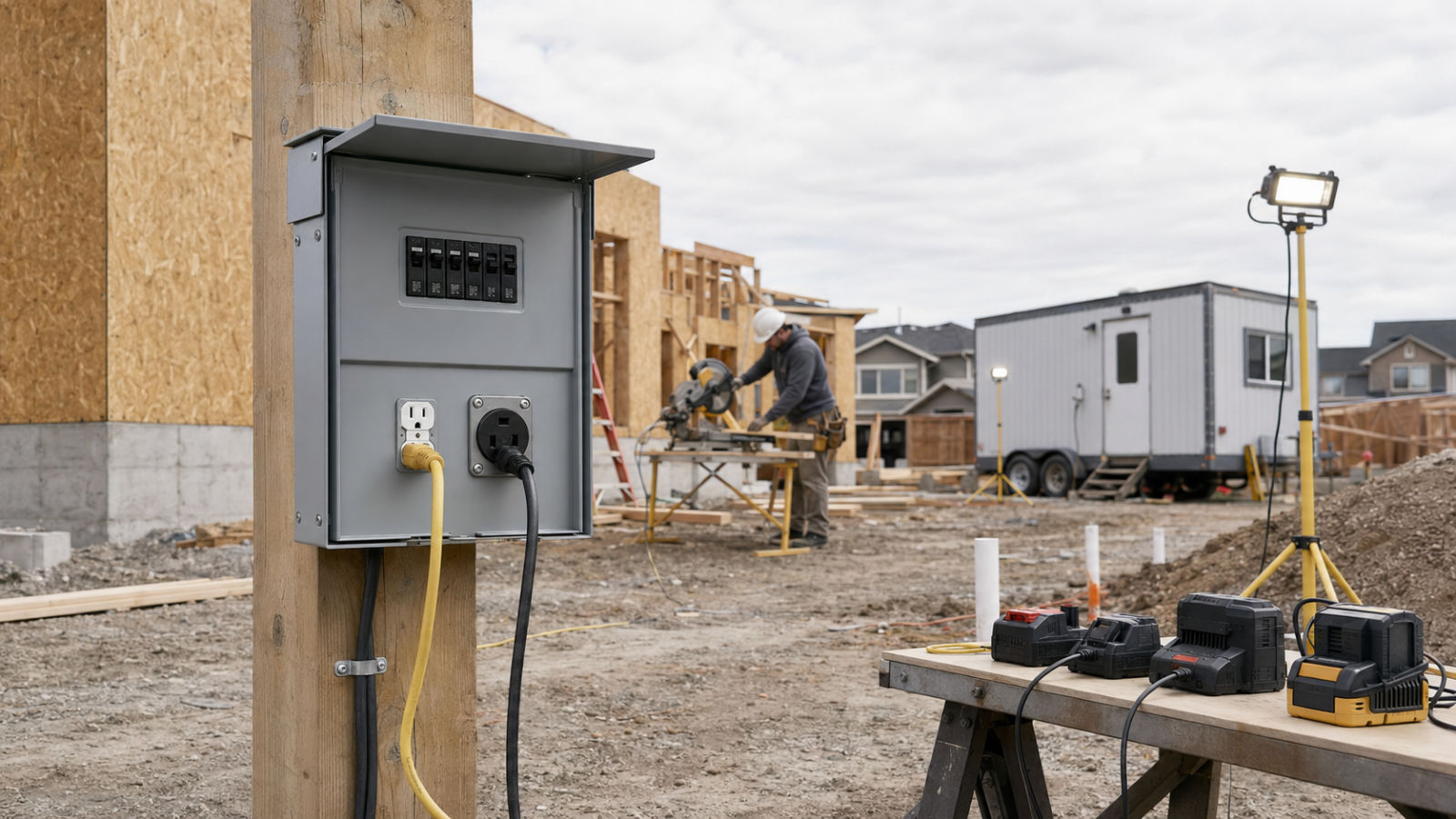
When Do You Need Temporary Power?
Temporary electrical distribution is used whenever permanent service is unavailable, inaccessible, or unable to support a project’s additional demand.
Construction and renovation projects are common examples. Contractors may need electricity for saws, compressors, chargers, lighting, ventilation equipment, and jobsite trailers before permanent wiring is ready.
A temporary power distribution panel can also be useful for:
- Outdoor events, festivals, and community gatherings
- Food trucks and temporary catering operations
- Film, television, and photography productions
- Emergency response and storm recovery
- Industrial maintenance and shutdown projects
- Remote jobsites without utility service
- Large projects involving several trades or work areas
- Situations where an existing electrical system cannot support added equipment
Some setups are needed for a single day. Others remain in use for several weeks or throughout a major construction project. The length of the job affects how the system should be installed, protected, and maintained.
Choosing the Right Outlet Configuration
Not every temporary power distribution panel has the same outlets. That is important because equipment cannot be safely powered from whichever receptacle happens to be available.
Some projects primarily use standard 120-volt outlets. Others require 240-volt connections, higher-capacity circuits, or a combination of different receptacles. A distribution panel can be configured to match the actual equipment used on the site.
Before selecting a panel, create a list of everything that will require electricity. Include tools, lighting, appliances, machinery, trailers, pumps, chargers, and any equipment that may be added later.
For each item, identify:
- Its voltage and amperage requirements
- Where it will be used
- How long it will operate
- Whether it runs continuously or occasionally
- Whether it has a motor or significant startup demand
This information helps an electrician recommend a temporary power distribution panel with suitable capacity and outlets. It also reduces the temptation to use unsafe adapters or improvised connections when work begins.
Can the Panel Run From a Generator?
A generator can provide temporary power when utility electricity is unavailable. However, the generator must be large enough to support everything connected to the distribution system.
Simply adding together the normal operating wattage may not tell the entire story. Equipment containing motors, compressors, or pumps can draw substantially more electricity during startup. Multiple machines starting together can place a sudden demand on the generator.
An undersized generator may struggle to maintain power, shut down, or fail to operate equipment correctly. Buying or renting the largest available generator is not necessarily the best solution either. The goal is to choose equipment that fits the job and can be used safely.
An electrician can calculate the anticipated demand, account for startup loads, and determine whether the planned generator and temporary power distribution panel are compatible.
Why Extension Cords Are Not Always Enough
Extension cords can be appropriate for a small job involving one or two tools. Problems begin when cords become the entire temporary electrical system.
Long cords can cause voltage drop, particularly when they are undersized for the equipment. Too many devices connected to one circuit can create overloads and repeated breaker trips. Cords running across busy areas may also become tripping hazards or sustain damage from vehicles, equipment, moisture, and foot traffic.
Outdoor conditions introduce additional concerns. Connections must be protected from weather, and the equipment must be appropriate for its environment.
A temporary power distribution panel gives crews a central, organized source with circuits intended for the electrical demand. It can reduce excessive cord runs and make it easier to keep different work areas properly supplied.
Temporary does not mean electrical safety requirements disappear. Whether a system will be used for eight hours or eight months, it still needs to be planned and installed correctly.
How Much Does Temporary Power Distribution Cost?
The cost depends on the project rather than one standard price. A small setup with several basic outlets will have different requirements from a large construction site running high-demand equipment.
Pricing may be influenced by:
- The required electrical capacity
- The number and type of outlets
- The distance between the source and equipment
- Generator size and fuel requirements
- Installation and removal needs
- Site access and ground conditions
- Weather protection requirements
- Project length
- Specialized connections or custom configurations
Providing detailed information helps the electrician develop a more accurate estimate. It can also prevent last-minute equipment changes after crews have arrived.
Plan Before the Work Begins
Temporary power should be planned before tools, equipment, vendors, or construction crews arrive. Start by identifying what needs power, where it will operate, and when it will be used.
Cord routes, weather exposure, vehicle traffic, and public access should also be considered. If the project will change over time, the system may need enough flexibility to support additional work areas or equipment.
Take Charge Electric can evaluate your project, review your power requirements, and recommend an appropriate temporary power distribution panel and outlet configuration. The team can also discuss generator options when another suitable source is unavailable.
Contact Take Charge Electric to request an estimate and start planning safe, dependable temporary power for your project.

Owner/CEO