

Older homes have a lot going for them. They have character, established neighborhoods, and details you simply don’t find in newer construction. But behind those walls, you may also have an electrical system that was designed for a very different way of living.
Think about how much electricity your household uses today. Large appliances, computers, televisions, chargers, kitchen equipment, heat pumps, hot tubs, EV chargers, and countless other devices all depend on your electrical system. A home built decades ago may never have been designed to handle that kind of demand.
That doesn’t automatically mean an older home needs whole house rewiring. It does mean the electrical system deserves a closer look, especially if you’re noticing warning signs or planning upgrades.
Here’s how to know when it may be time to have an electrician take a look.
Older Wiring Isn’t Automatically Bad Wiring
One of the first things we want homeowners to know is that the age of your house alone doesn’t tell us whether it needs to be rewired.
Some older homes in Gig Harbor have electrical systems that have been maintained and updated over the years. Others may still have large portions of their original wiring. And some have a little bit of everything after decades of renovations, additions, and electrical repairs.
That’s why we don’t recommend jumping straight to whole house rewiring simply because your home is old.
A qualified electrician can inspect the existing system, look at the condition and type of wiring, evaluate the electrical panel and circuits, and identify any safety concerns. From there, you can make a much more informed decision about what your home actually needs.
Signs Your House May Need Rewiring
Electrical problems aren’t always dramatic. You don’t necessarily have to see sparks flying from an outlet to know something isn’t right.
Frequently tripping breakers are one example. A breaker is supposed to trip when a circuit becomes overloaded or there is another electrical problem. If it keeps happening, simply resetting it over and over isn’t a good long-term solution.
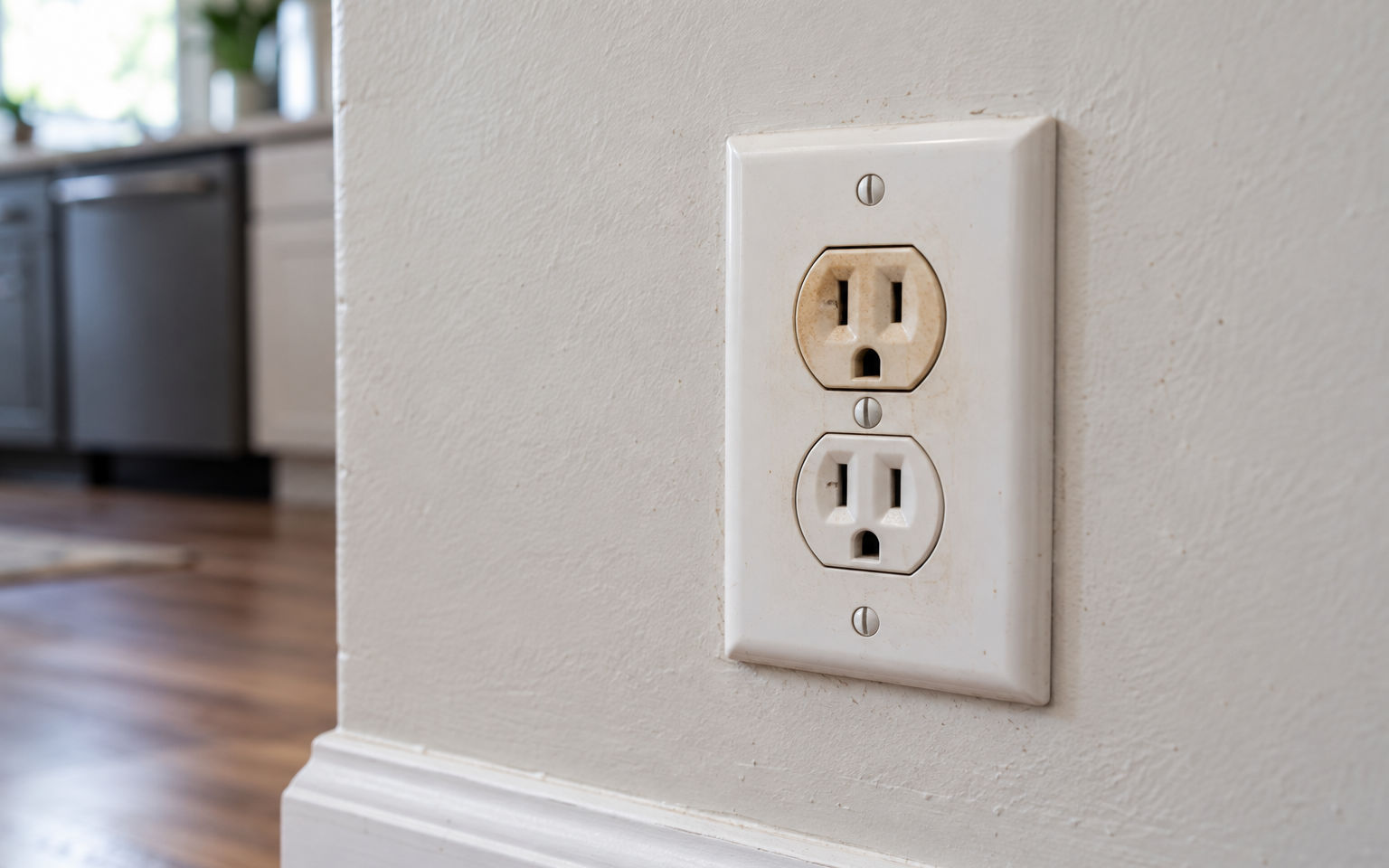
You may also notice lights that flicker or dim when appliances turn on, outlets or switches that feel unusually warm, buzzing or crackling sounds, discolored outlets, or a burning smell with no obvious source.
A lack of outlets can be another clue that the electrical system was built for a different era. If you depend heavily on power strips and extension cords because there simply aren’t enough receptacles, it may be time to talk about updating the system.
The Washington State Department of Labor & Industries specifically warns homeowners not to overload outlets, extension cords, or electrical circuits. It also recommends having circuits inspected when breakers repeatedly trip. You can read more in its Electrical Work on Residential Property guide.
None of these signs automatically means you need a whole house electrical rewire. They do mean it’s worth finding out what’s going on.
What About Knob-and-Tube or Other Old House Electrical Wiring?
If your home has very old wiring, an electrician will want to determine exactly what is there and what condition it is in.
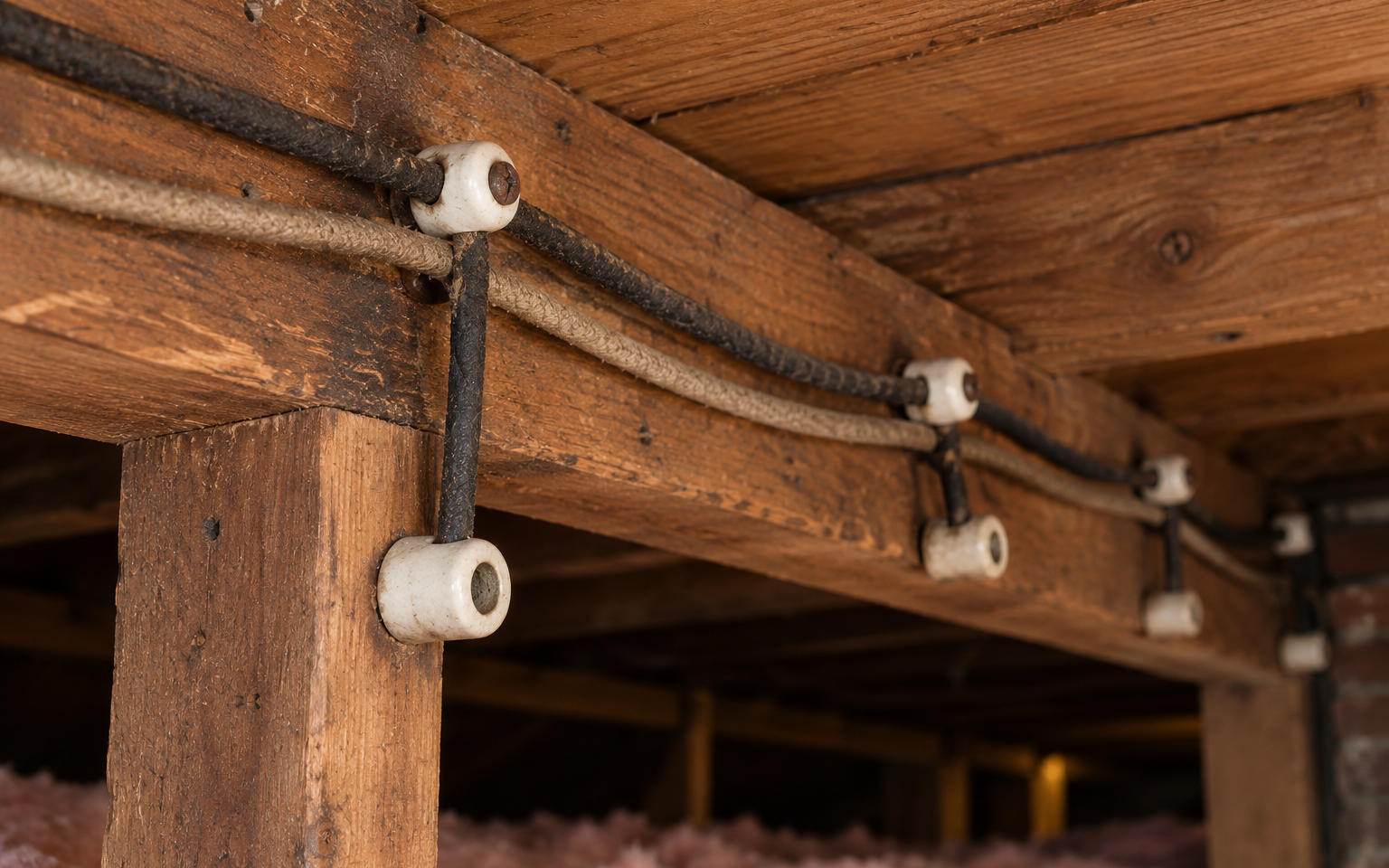
Knob-and-tube wiring, for example, can still be found in older houses. Other homes may have outdated wiring mixed with newer electrical work from previous remodels.
This is one of those situations where guessing doesn’t do you much good. You need to know what you actually have.
When we evaluate old house electrical wiring, we’re looking at the entire picture. What type of wiring is present? Is it in good condition? Have previous modifications been made correctly? Is there proper grounding? Is the panel appropriate for the home? Are there overloaded circuits or other safety concerns?
Washington’s electrical rules recognize that some existing wiring can remain when it is in good condition, while modifications and damaged electrical systems may require additional work. In other words, an old home does not automatically equal a whole house rewire.
Repairing a Few Problems vs. Whole House Rewiring
Sometimes the solution is relatively straightforward.
Maybe one circuit needs attention. Maybe an unsafe modification from a previous renovation needs to be corrected. Maybe the panel needs an upgrade, but the rest of the electrical system is in good condition.
In other homes, repairs start to become a game of electrical whack-a-mole. You fix one problem, uncover another, and realize much of the system is outdated or no longer appropriate for the way the home is being used.
That’s when whole house rewiring may make more sense.
The goal isn’t to do the biggest possible project. It’s to find the right solution for the house.
A good home rewiring electrician should be able to explain what they found, what needs attention now, what could potentially wait, and why they’re recommending each part of the project. You shouldn’t need an electrical engineering degree to understand what’s happening in your own home.
What Does Whole House Rewiring Involve?
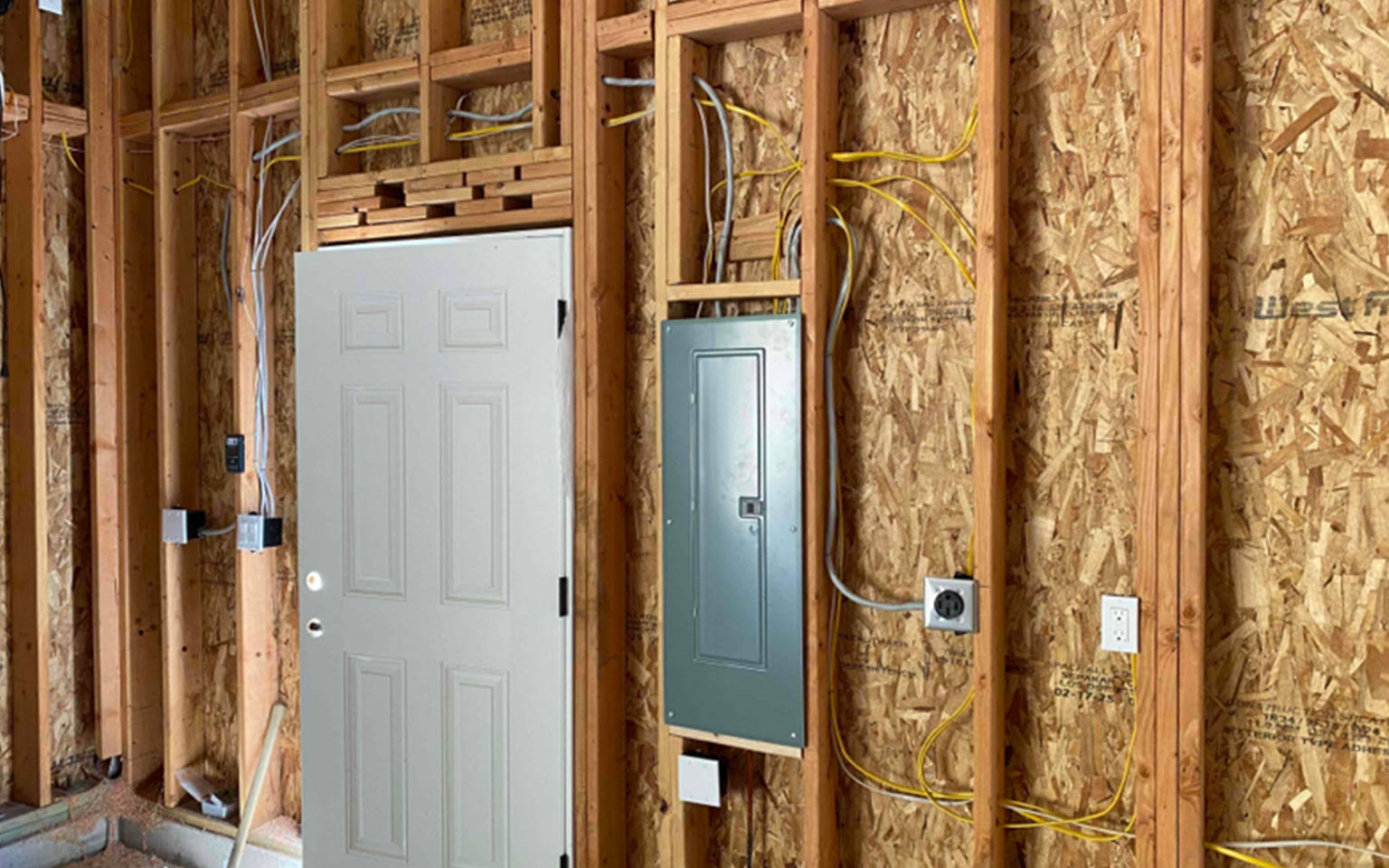
Rewiring an old house generally means replacing outdated wiring and updating circuits so the electrical system can safely serve the home.
Exactly what that looks like depends on the house.
The electrician may install new wiring, add or update receptacles, improve grounding, create dedicated circuits for appliances, and make other changes needed to bring the electrical system up to current requirements.
A whole house rewire may also be a good opportunity to think about how you actually use your home today.
Maybe you want more outlets in the kitchen. Maybe you’re tired of hunting for somewhere to plug in a vacuum. Maybe you’re planning an EV charger, heat pump, hot tub, workshop, or other major electrical addition.
Whole house rewiring isn’t only about replacing old components. It can give you an electrical system that works better for the way you live now.
How Much Does a Whole House Rewire Cost?
There isn’t one useful answer to the question of whole house rewire cost because houses vary so much.
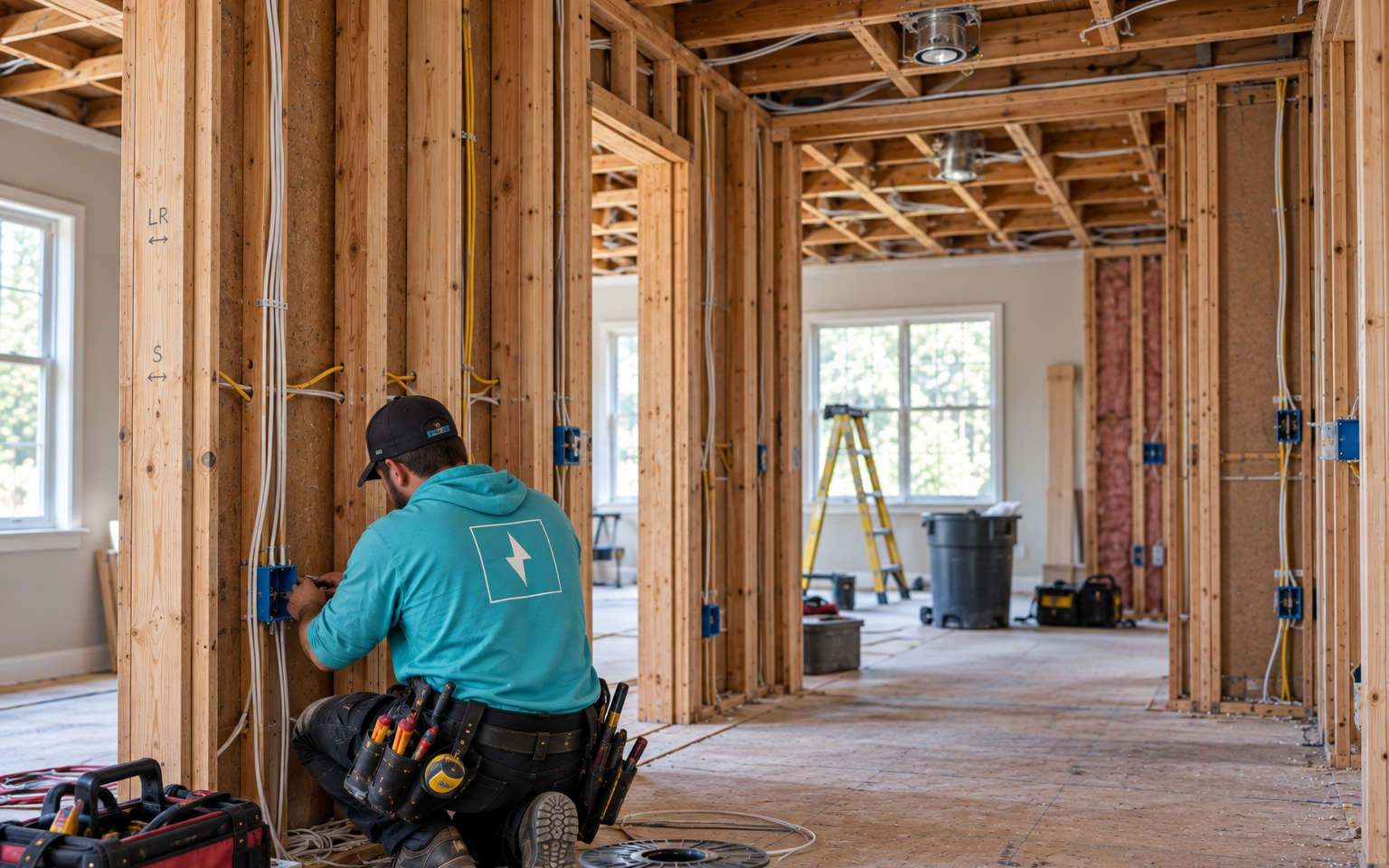
The size and layout of the home matter. So does the accessibility of the existing wiring. The type and condition of the electrical system, number of circuits, amount of work required, and upgrades you want to make can all affect the final price.
A smaller home with relatively accessible wiring may be a very different project from a large home with finished walls, multiple additions, and decades of previous electrical modifications.
The timeline can vary for the same reasons.
That’s why an on-site evaluation is so important. It gives the electrician a chance to see what’s actually happening instead of throwing out a number that may have very little to do with your house.
Permits and Inspections Matter, Too
A whole house electrical rewire is a significant project, and it needs to be completed correctly.
In Washington, electrical permits are required for most new, remodeled, and maintenance electrical work. Electrical installations also need to be inspected to make sure they meet applicable safety requirements. If you hire an electrical contractor, the contractor is responsible for purchasing the required permit for the work they perform.
You can learn more about the process through the Washington State Department of Labor & Industries’ Electrical Permit Basics.
That process matters because electrical work is hidden once the walls are closed. Proper permitting and inspection help make sure the work behind those walls is done safely.
A Rewire Can Prepare Your Home for What Comes Next
One of the biggest benefits of whole house rewiring is knowing your electrical system is ready for modern life.
Homes use electricity differently than they did 40, 60, or 80 years ago. And chances are, our electrical needs aren’t going to decrease anytime soon.
Updating an older electrical system can make it easier to add new appliances and technology later. More importantly, it gives you a clearer understanding of what is behind your walls and whether your electrical system is prepared to handle the load you’re asking it to carry.
For homeowners in Gig Harbor, the first step doesn’t have to be committing to a whole house rewire. It can simply be finding out what you have.
Ready to Find Out What Your Home Needs?
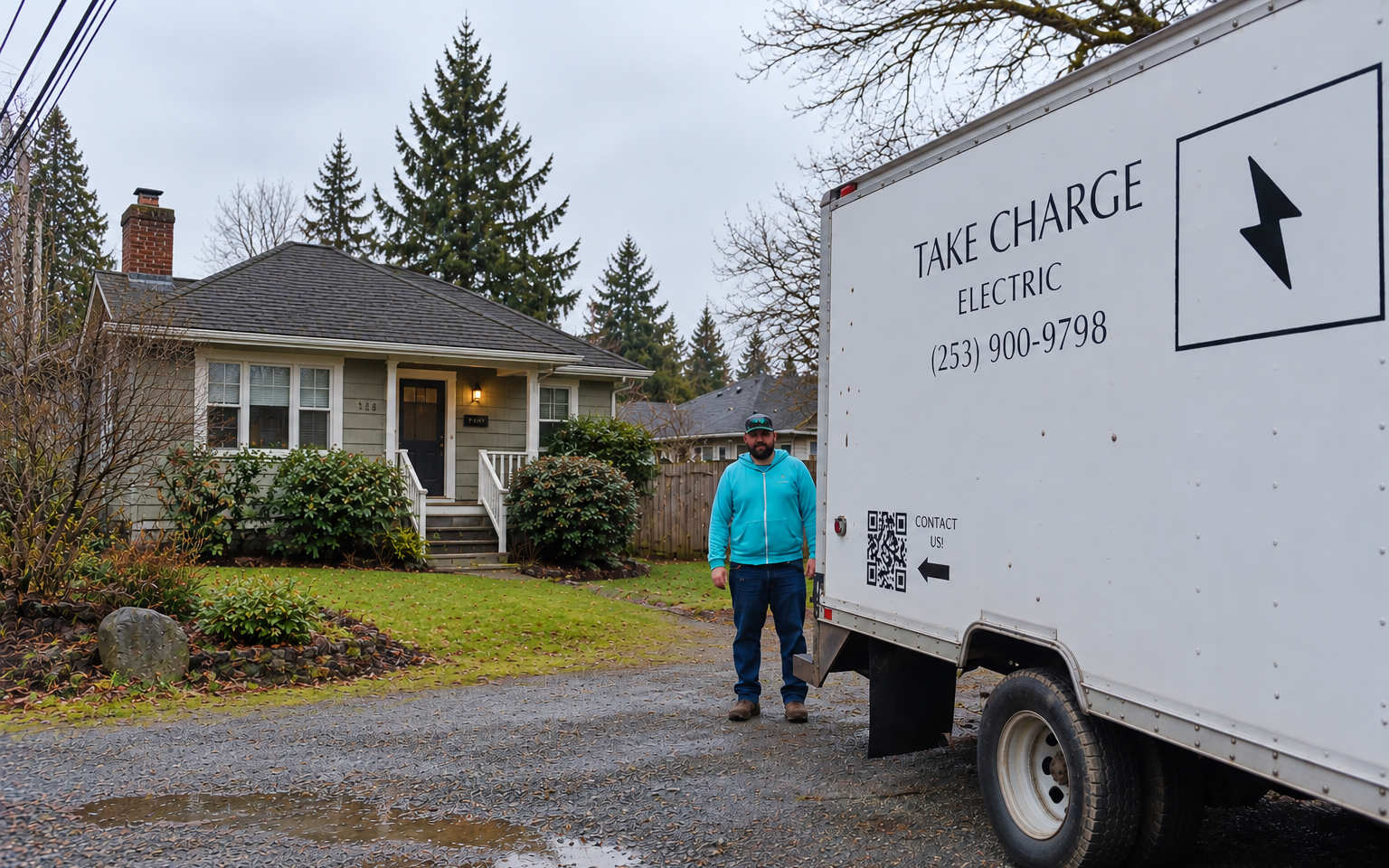
If you’re seeing signs your house needs rewiring, planning a major renovation, or simply aren’t sure what’s hiding behind the walls of your older home, Take Charge Electric can help.
Our experienced electricians can evaluate your electrical system, explain what we find in everyday language, and help you understand your options. If whole house rewiring makes sense, we’ll explain why. If a smaller repair or upgrade will do the job, we’ll tell you that, too.
Schedule an electrical evaluation with Take Charge Electric and get clear answers about what your Gig Harbor home needs to stay safe, reliable, and ready for the future.

Owner/CEO